In shortHiroshima weather follows a dry cool winter and a hot wet summer. Average daily highs are 9.9C in January, 19.8C in April, 32.8C in August and 23.7C in October. The rainy season normally runs about 6 June to 19 July, July being wettest at 279.8 mm. Cherry blossom reaches full bloom around 3 April, Japanese maple colours around 22 November.
32.8CAugust average high
279.8 mmJuly rainfall, wettest month
3 Aprilnormal cherry full bloom
22 Novembernormal maple colour date
Hiroshima weather through the year
The 1991-2020 climate normals describe a city with a mild dry winter and a heavy summer. Average daily highs run 9.9C in January, 19.8C in April, 32.8C in August and 23.7C in October. The lows tell you more about comfort: 2.0C on an average January night, and 25.1C on an average August night, which is why August evenings in Peace Memorial Park feel no easier than the afternoons.
Rain is unevenly spread across 1,572.2 mm a year. July is the wettest month at 279.8 mm, June follows at 226.5 mm, and January is the driest at 46.2 mm. For the Chugoku region excluding Yamaguchi, the rainy season normally begins around 6 June and ends around 19 July, so the two wettest months are also the two months when a half-day of cloud is likely rather than unlucky.
Season also moves the clock on nearly every site you will visit. The table below pairs the weather with the hours each season brings, so you can see why a November afternoon on Miyajima is shorter than an April one.
| Season | Temperature and rain | What the hours do |
|---|
| Winter, December to February | January high 9.9C, low 2.0C; driest month at 46.2 mm | Peace Memorial Museum closes at 6:00pm; Itsukushima Shrine at 5:00pm through December and 5:30pm from 4 January; castle Ninomaru 9:00-16:30; Shukkeien 9:00-17:00 |
|---|
| Spring, March to May | April high 19.8C; cherry flowering normally 25 March, full bloom 3 April | Museum closes at 7:00pm from March; shrine 6:30am to 6:00pm from 1 March; Ninomaru 9:00-17:30 from April; Shukkeien 9:00-18:00 from 16 March |
|---|
| Rainy season, about 6 June to 19 July | June 226.5 mm, July 279.8 mm | Museum still open to 7:00pm; shrine still on its 6:00pm closing |
|---|
| Summer, August | High 32.8C, low 25.1C; typhoon formations peak in August | Museum open to 8:00pm, and to 9:00pm on the 5th and 6th; Memorial Hall to 7:00pm; Ninomaru to 17:30 until the end of September |
|---|
| Autumn, September to November | October high 23.7C; ginkgo around 15 November, maple around 22 November | Shrine closes at 5:30pm from 15 October; Ninomaru 9:00-16:30 from October; Shukkeien 9:00-17:00 from 16 September |
|---|
One bus day that works in any season
With an air-conditioned vehicle, the round-trip ferry and the museum, island and shrine admissions inside the same 8 hours, this is the format that holds up on a 32.8C August day or a wet July one.
★ 5.0/5 · 9,528 reviews
Winter walks in a dry, bright city
January and February are the most underrated months here. Rainfall collapses to 46.2 mm in January, the lowest of the year, so the long outdoor walk through Peace Memorial Park and its 122,100 square metres of designed landscape usually happens in dry air at around 9.9C. Dress for 2.0C before breakfast and after dark.
What you lose is daylight and opening time. The Peace Memorial Museum closes at 6:00pm from December to February instead of 7:00pm, the National Peace Memorial Hall at 5:00pm, and the castle's reconstructed Ninomaru buildings shut at 16:30 from October to March with last entry half an hour earlier. Shukkeien is on its 9:00-17:00 winter window until 15 March, again with last entry 30 minutes before closing. Winter also holds the museum's only full closures of the year: 30 and 31 December, and a few days in mid-February while the exhibition is changed over.
On Miyajima the crossing is short enough that cold is not the issue; the clock is. The shrine shuts at 5:00pm through December and 5:30pm from 4 January to the end of February, so plan the island for the morning and early afternoon. If you are in Hiroshima for New Year, the shrine opens at midnight on 1 January and stays open until 6:30pm. After the castle grounds close, the keep exterior and the Ninomaru stay illuminated from sunset until 22:00, which fills a dark winter evening near the station side of the centre.
Cherry blossom, and the spring weeks either side of it
Hiroshima's normal flowering date for Somei-yoshino cherry is 25 March, with full bloom on 3 April. Those are averages, and the trees do not consult your flight dates, so treat the first week of April as the centre of the window and the last week of March as the earlier bet. The blossom along the castle moat and through Peace Memorial Park is the busiest reason anyone comes to the city, and the crowd follows the forecast rather than the calendar.
Spring is also when the hours open up. Itsukushima Shrine runs 6:30am to 6:00pm from 1 March, its longest season and the one that lets you stay on Miyajima through a late tide change. The museum closes at 7:00pm from March, and opens at 7:30am all year, though entry to the permanent exhibition during the early-morning and late-evening extension windows needs an online reservation. Shukkeien stretches to 18:00 from 16 March, and the castle Ninomaru to 17:30 from April.
April averages a daily high of 19.8C, which is the best walking temperature of the year for a day that combines a long park circuit with a ferry and an island. Carry a layer: the water crossing from Miyajima-guchi takes about 10 minutes and the deck is exposed.
Rain, heat and the days around 6 August
Expect to be rained on somewhere between about 6 June and about 19 July. June brings 226.5 mm and July 279.8 mm, and rain here arrives in long heavy spells rather than drizzle. It does not ruin the day: the museum is indoors and open to 7:00pm, Senjokaku keeps 8:30am to 4:30pm all year and the Treasure Hall 8:00am to 5:00pm, and the Prefectural Art Museum beside Shukkeien runs 9:00-17:00 with last admission half an hour before closing. Rebuild the order of the day around the roofs and keep the walking for the clear hours.
August is the hard month. An average high of 32.8C with an average low of 25.1C means the park, which has very little shade across its paths, is punishing between late morning and mid-afternoon. The museum answers with longer evenings, staying open to 8:00pm in August and to 9:00pm on the 5th and 6th, and the Memorial Hall to 7:00pm. Use them. Go inside in the heat, walk the monuments after six.
Early on 6 August the Peace Memorial Ceremony runs from 8:00 to 8:50 a.m. at the cenotaph, with a minute of silence observed at 8:15 a.m. The park is given over to the ceremony that morning and the city is at its fullest in the days around it, so book accommodation early and expect your own schedule to bend. Toukasan at Enryu-ji in Mikawa-cho, which marks the start of yukata season, runs with the Yukata de Kinsai festival for three days from the first Friday of June in the Chuo-dori area.
Typhoons belong to this stretch of the year. Japan averages 25.1 formations a year, of which 11.7 come within 300 km and 3.0 make landfall, with formations peaking in August and September and landfalls peaking in September. The practical consequence for your day is wind: the Miyajima Ropeway can be suspended for high wind, thunder or power failure, on top of its announced periodic inspection shutdowns, so check the operator's notices before you build an afternoon around Mt. Misen.
Autumn colour on Miyajima and at Shukkeien
Autumn runs later than most itineraries assume. Hiroshima's normal date for ginkgo turning yellow is 15 November and for Japanese maple 22 November, so the colour belongs to the second half of November. October gives you the kindest weather of the autumn, an average high of 23.7C, and trees that are still green.
The catch is that the colour season has the shortest useful afternoons of the whole year on the island. Itsukushima Shrine closes at 5:30pm from 15 October to 30 November, Shukkeien has been on 9:00-17:00 since 16 September, and the castle Ninomaru shuts at 16:30 from October. The ropeway runs uphill only from 9:00 to 16:00 with the last descent at 16:30, which in late November means the Momijidani valley colour has to be a morning or early-afternoon plan. The upper Shishiiwa line runs its 35-person cars at 5 to 15 minute intervals, and the summit observatory is still about a kilometre on foot from the station.
Mid-November also brings Ebisu Taisai on the 18th, 19th and 20th at Ebisu Shrine in Ebisucho, with Chuo-dori pedestrianised on the evening of the 19th from 19:15 to 22:00. Seating on the trains changes in the same stretch of the calendar: on Nozomi services every seat becomes reserved in the 2026-27 peak periods of 21-23 November and 25 December to 5 January, which catches the tail of the maple weeks.
Best time to visit Hiroshima, and which tour format suits it
Pick late March into the first week of April for cherry blossom and 19.8C walking weather, or the second half of November for maple colour with short afternoons. Pick October if you want the most reliable combination of warmth and dry days without the blossom crowd. January and February are the quietest and the driest, with the trade-off of a 6:00pm museum closing and a 5:00pm or 5:30pm shrine. June and July are the months to plan indoor alternatives for, and August is the month to work around the heat and around the 6 August ceremony.
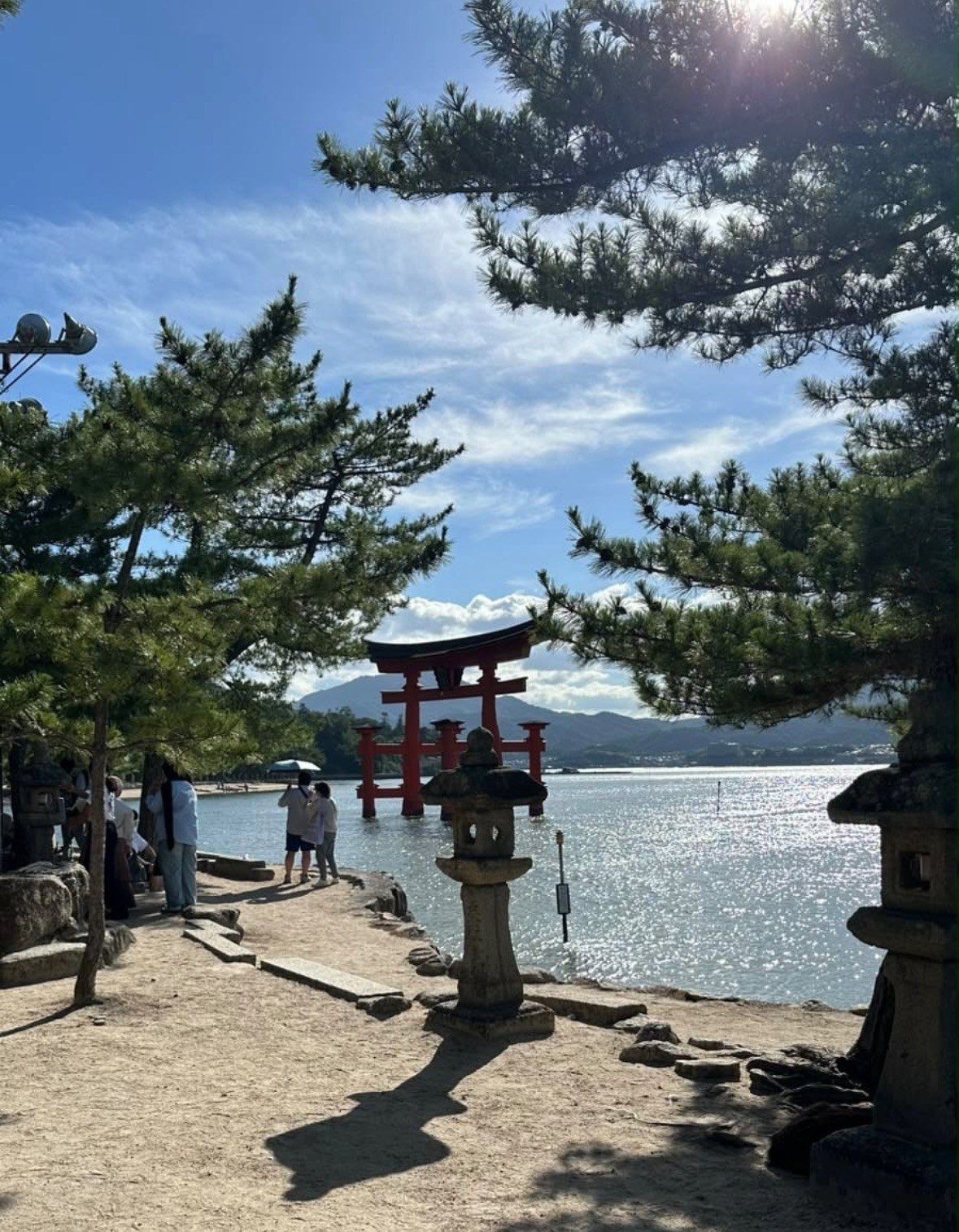
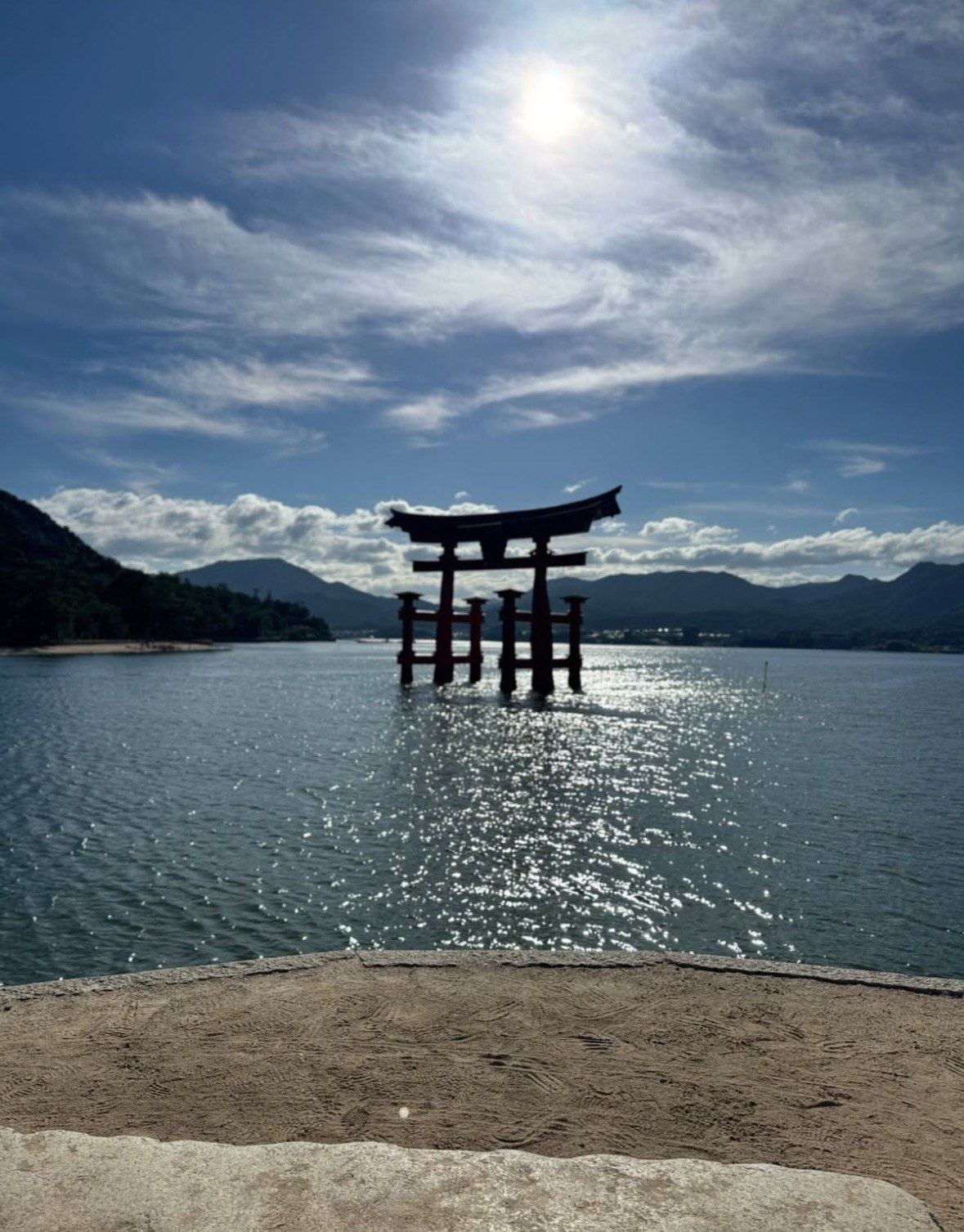
One thing the season does not decide is the Great Torii. Whether the shrine appears to float and whether you can walk out to the gate on exposed sand both depend on the tide. Those windows are set out date by date in the Miyajima Tourist Association's daily tide table, and a good number of dates carry no walking window whatsoever. Read the table for your date before you fix the island half of the day, and if you want both views, be on Miyajima across a tide change.
Heat and heavy rain are the strongest argument for a coach day. The Peaceful Hiroshima & Miyajima UNESCO 1 Day Bus Tour spends 8 hours on the circuit in an air-conditioned vehicle, with an English-speaking local guide, the round-trip ferry and admission to the Peace Memorial Museum, Miyajima Island and Itsukushima Shrine, from 19,488 yen, 5.0 ★ (9,528 reviews). Slightly longer at 8 hours 20 minutes, the Hiroshima and Miyajima Full Day Bus Tour from Hiroshima sets out from the Hotel Granvia Hiroshima 1F lobby on the north side of the station, with a national government licensed English guide interpreter and the Miyajima visitor tax included, from 25,000 yen, 4.6 ★ (520 reviews).
In blossom and colour season, when you want to sit with a view rather than keep to a coach schedule, the private day fits better: 8 hours with a licensed local English-speaking guide met on foot in Hiroshima, and 3 to 4 sites you pick from the operator's list, from 30,900 yen, 4.9 ★ (1,610 reviews). Transport, ferry, entrance fees, lunch and the Miyajima visitor tax are optional extras on that one, and the visitor tax is cash only.
- Late March to early April: cherry flowering normally 25 March, full bloom 3 April, April high 19.8C
- About 6 June to 19 July: rainy season, 226.5 mm in June and 279.8 mm in July
- August: high 32.8C, low 25.1C, museum open to 8:00pm and to 9:00pm on the 5th and 6th
- October: 23.7C average high, with the shrine's 5:30pm closing starting on the 15th
- Second half of November: ginkgo around 15 November, maple around 22 November, Ninomaru closing at 16:30
- December to February: driest air of the year, museum closing at 6:00pm, museum shut on 30 and 31 December and a few days in mid-February
Questions people ask
When does cherry blossom open in Hiroshima?
The normal flowering date for Somei-yoshino cherry in Hiroshima is 25 March, with full bloom on 3 April. Those are long-term averages, so the real window shifts by several days each year. April averages a daily high of 19.8C, which makes the blossom weeks the easiest walking conditions of the year.
Does the rainy season make a visit pointless?
No. The rainy season normally runs from about 6 June to about 19 July, with 226.5 mm in June and 279.8 mm in July, but the rain comes in spells rather than all day. Put the Peace Memorial Museum, which stays open to 7:00pm in those months, Senjokaku at 8:30am to 4:30pm and the Treasure Hall at 8:00am to 5:00pm into the wet hours, and keep the park walk for the clear ones.
Can I walk out to the Great Torii in any season?
The torii walk depends on the tide and has nothing to do with the month. The tourist association's tide page lists, for each date, when the shrine reads as floating and, separately, when the sand in front of the gate can be walked, and plenty of dates show the first with no second window. Check that page for your date before you book a fixed-departure tour.
Will the Miyajima Ropeway run in bad weather?
Not always. The operator states that the ropeway can be suspended for high wind, thunder or power failure, and that it also shuts down completely for periodic inspection at announced intervals. Uphill cars run 9:00 to 16:00 with the last descent at 16:30, so check the operator's notices on the day before you commit your afternoon to Mt. Misen. On foot, the Momijidani, Daisho-in and Omoto trails take about 1.5 to 2.5 hours from town.
How cold does Hiroshima get in winter?
January averages a daily high of 9.9C and a low of 2.0C, so it is cool rather than severe, and it is also the driest month of the year at 46.2 mm. The real winter constraint is time: the Peace Memorial Museum closes at 6:00pm from December to February, Itsukushima Shrine at 5:00pm through December and 5:30pm from 4 January, and the castle Ninomaru at 16:30.
Read also