Hiroshima Tour: Peace Memorial Park and Miyajima in One Day
Two World Heritage sites sit on opposite sides of a 10-minute ferry crossing, and the day is tighter than the map suggests. Start with the hours that cannot move, then pick the departure that fits them.
Peace Memorial Park sits between two rivers in the centre of the city, and Miyajima lies a short ferry hop beyond the end of the tram line. The distance is manageable; the opening hours and the tide are what shape the plan.
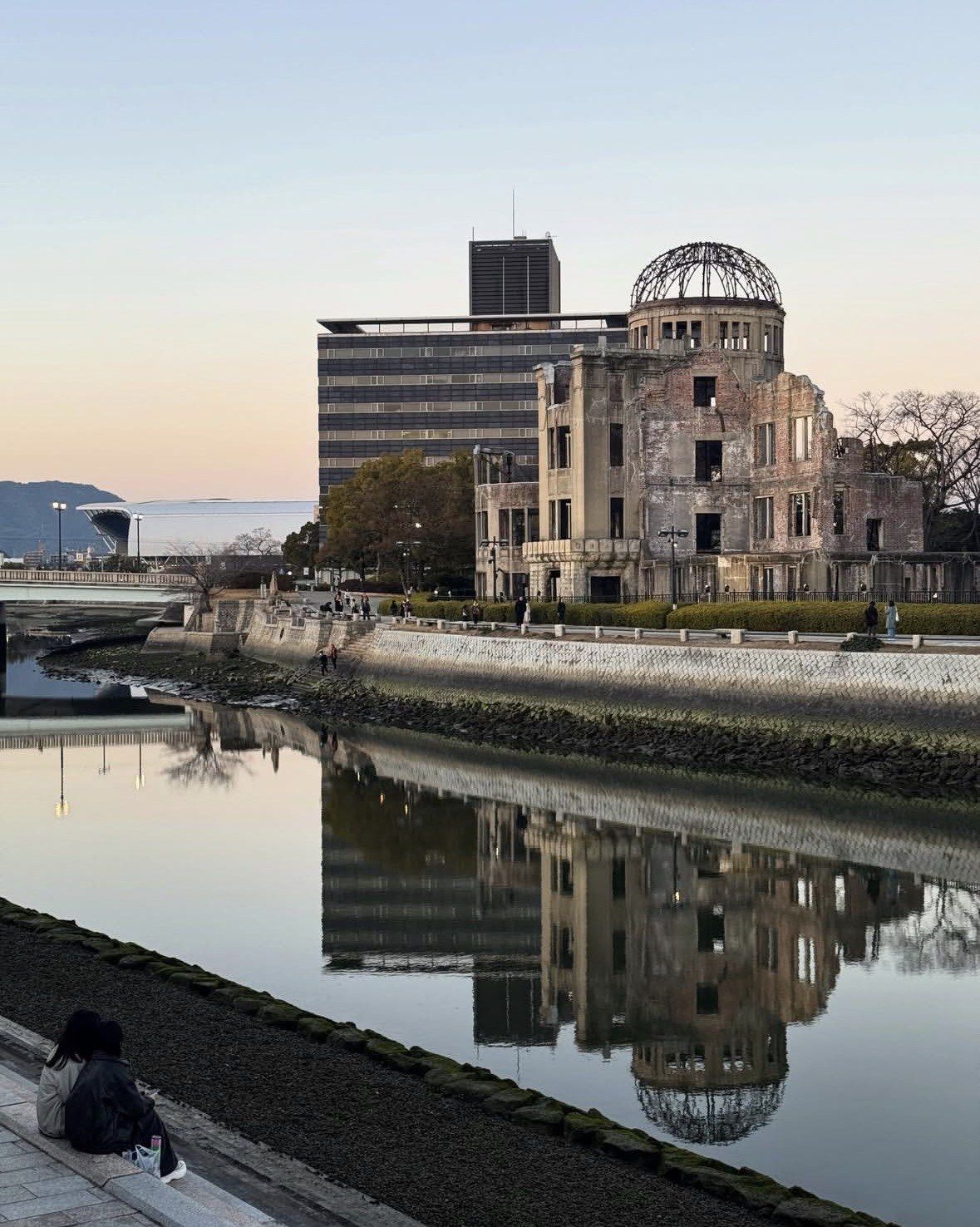
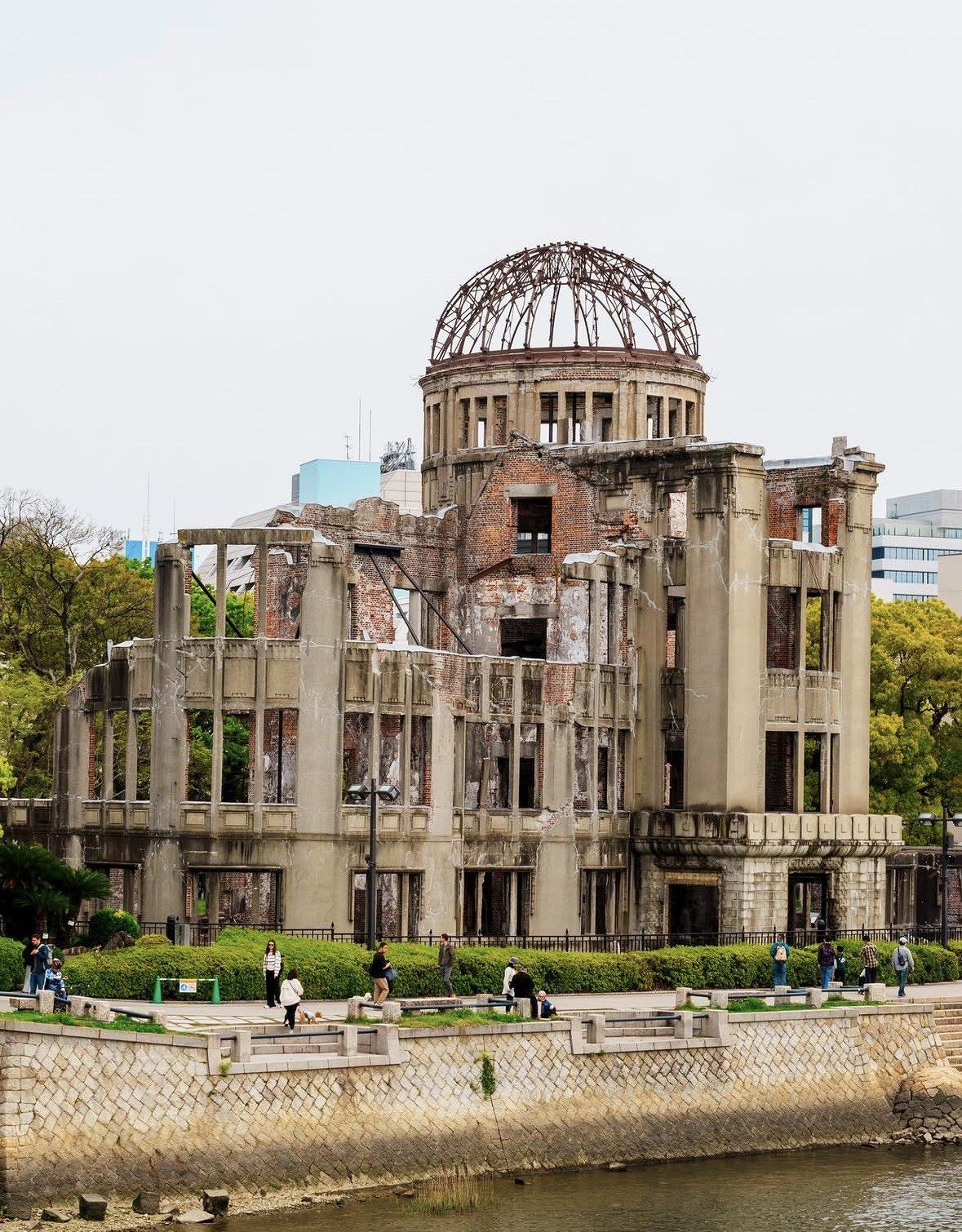
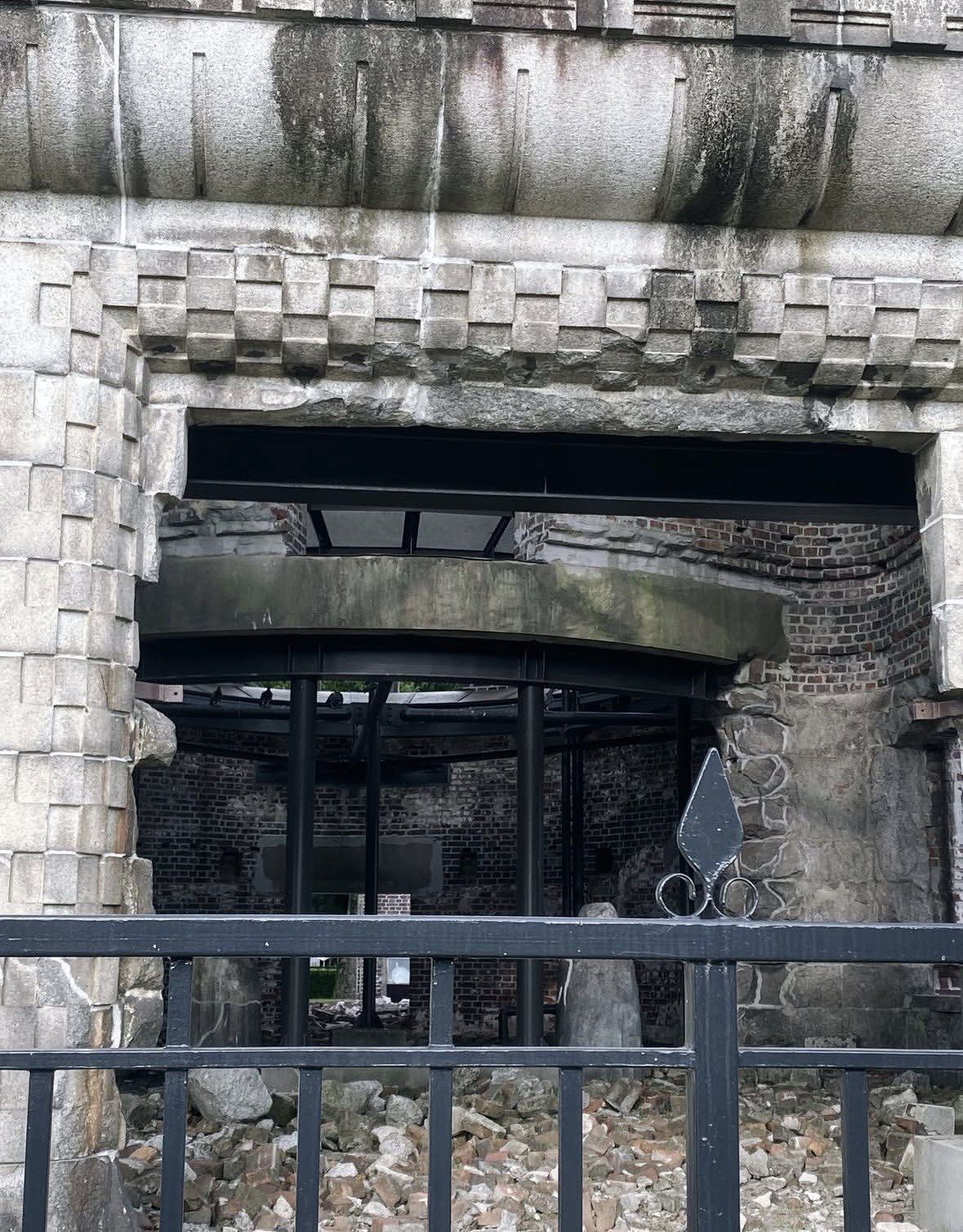
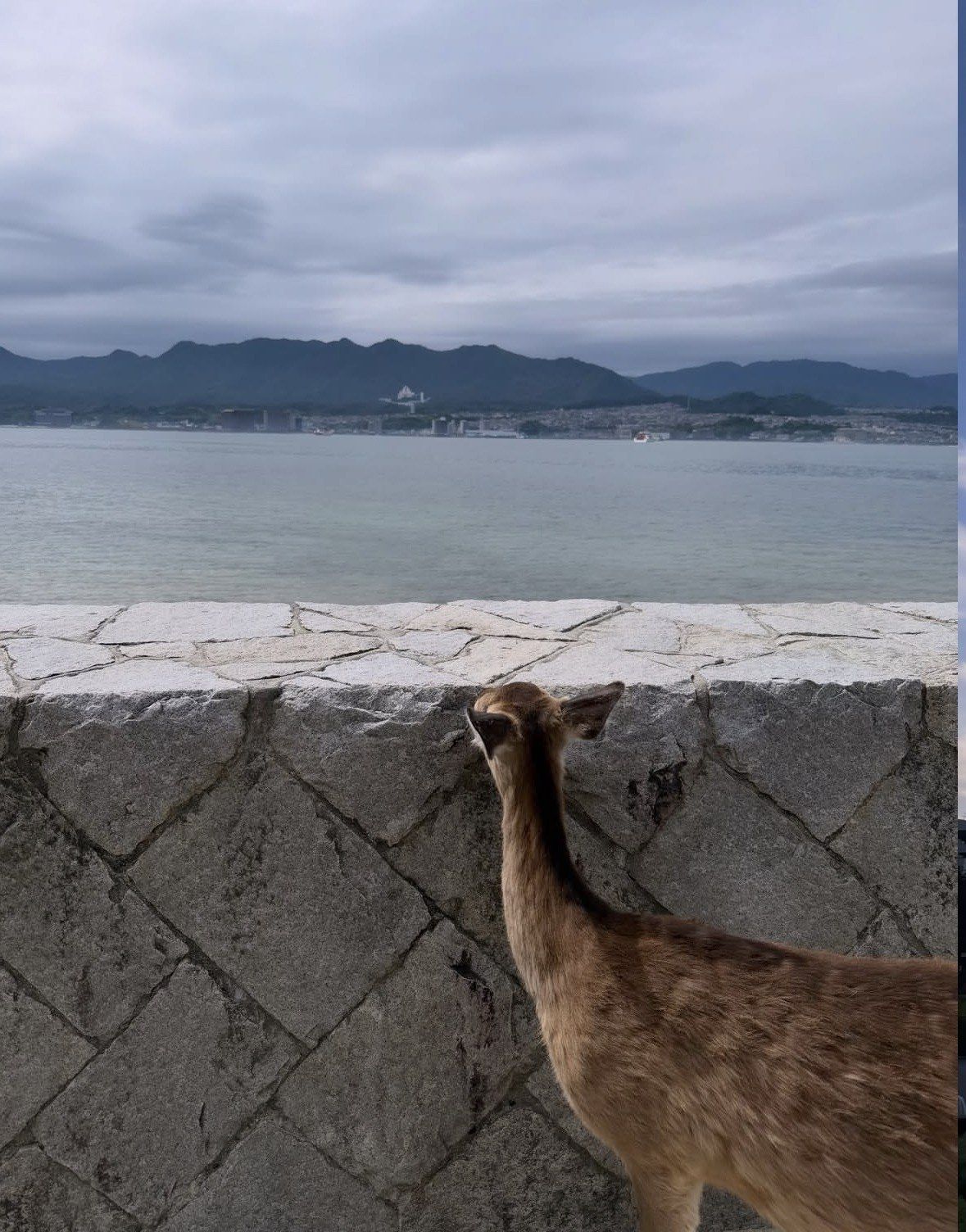
Hiroshima spreads across a delta on the Seto Inland Sea, and the centre is flat enough to cross on foot or by bike. Peace Memorial Park covers approximately 122,100 square metres, with the Atomic Bomb Dome at its northern end, and sits about 25 minutes from JR Hiroshima Station by tram to Genbaku Dome-mae plus roughly a 10-minute walk. Miyajima is reached from Miyajima-guchi in about 10 minutes by ferry, with departures roughly every 15 minutes through the middle of the day and gaps of 20 to 30 minutes early and late.
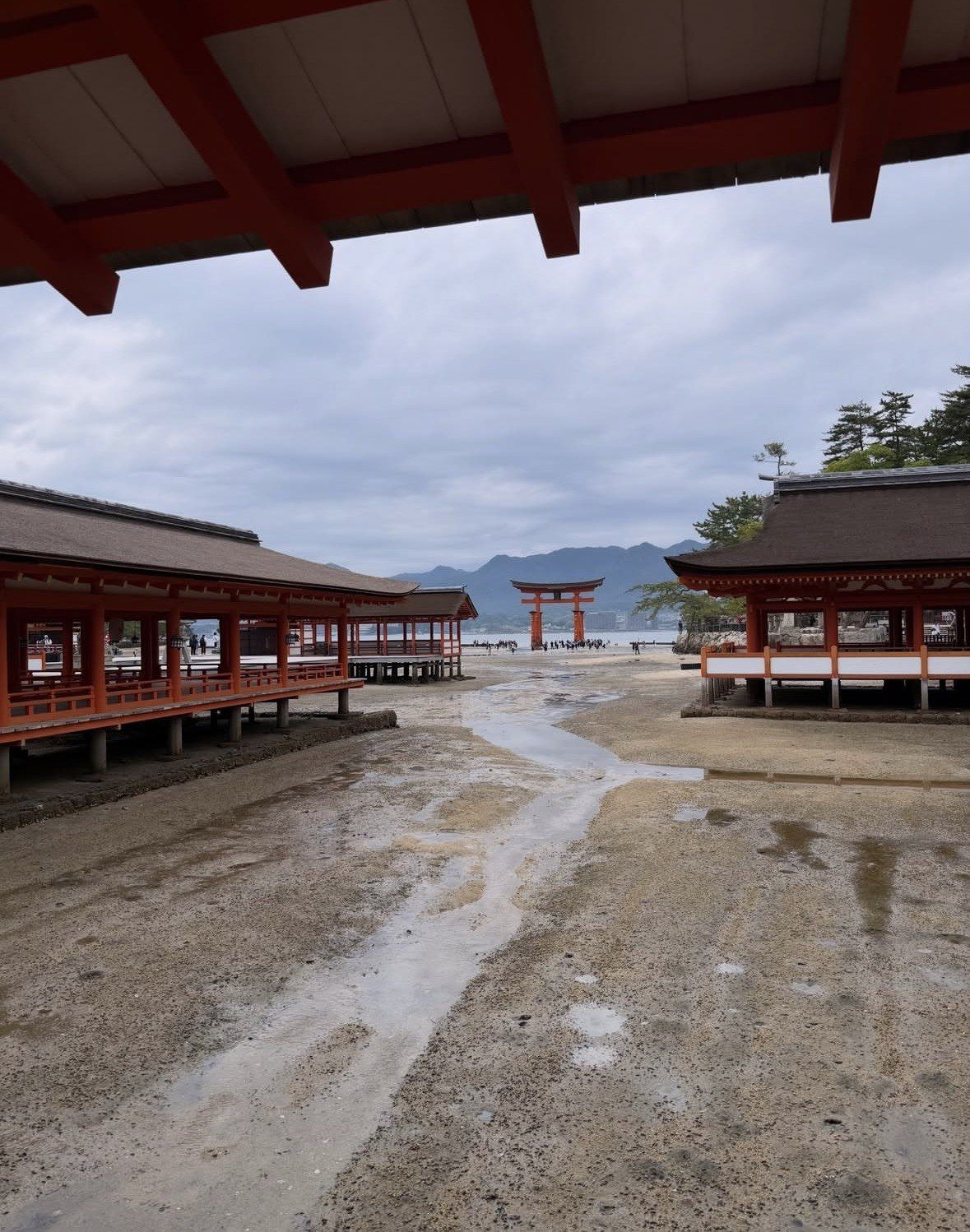
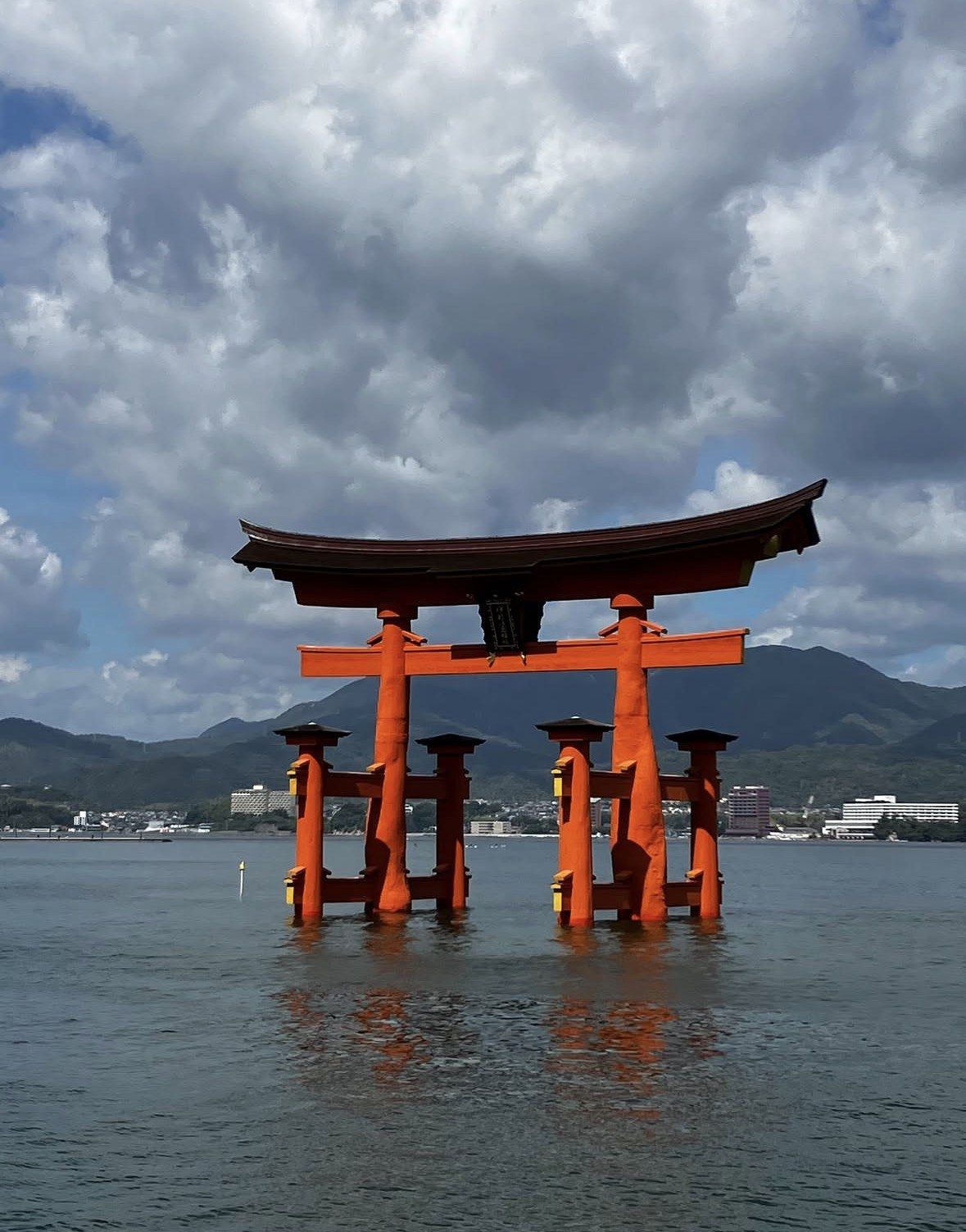
Itsukushima Shrine dates its founding to 593, the year Empress Suiko acceded, and was rebuilt in shinden-zukuri style by Taira no Kiyomori in 1168. It is a designated national treasure and was registered as a World Heritage Site in 1996, the same year the Atomic Bomb Dome was inscribed, on 5 December 1996 at the committee meeting in Mérida, Mexico. Peace Memorial Park itself is a designed landscape, completed on 1 April 1954 to a plan by three architects including Kenzo Tange, chosen first out of 145 competition entries. Shukkeien was laid out from Genna 6 (1620) for the lord Asano Nagaakira.
Plan around a few fixed clocks. Hiroshima Peace Memorial Museum opens at 7:30am and closes at 7:00pm from March through July and again from September through November, at 8:00pm in August and 9:00pm on the 5th and 6th, and at 6:00pm from December to February; entry to the permanent exhibition during the early-morning and late-evening extension windows requires an online reservation. Itsukushima Shrine stays open to 6:00pm only from 1 March to 14 October. The Mt. Misen ropeway stops running uphill at 16:00. Any Hiroshima tour has to fit inside those limits.
Peace Memorial Park areaapprox. 122,100 sq m
Park completed1 April 1954
Atomic Bomb Dome inscribed5 December 1996
Miyajima-guchi crossingabout 10 minutes
Itsukushima Shrine founding593
Museum opening time7:30am
145
The park was a competition design
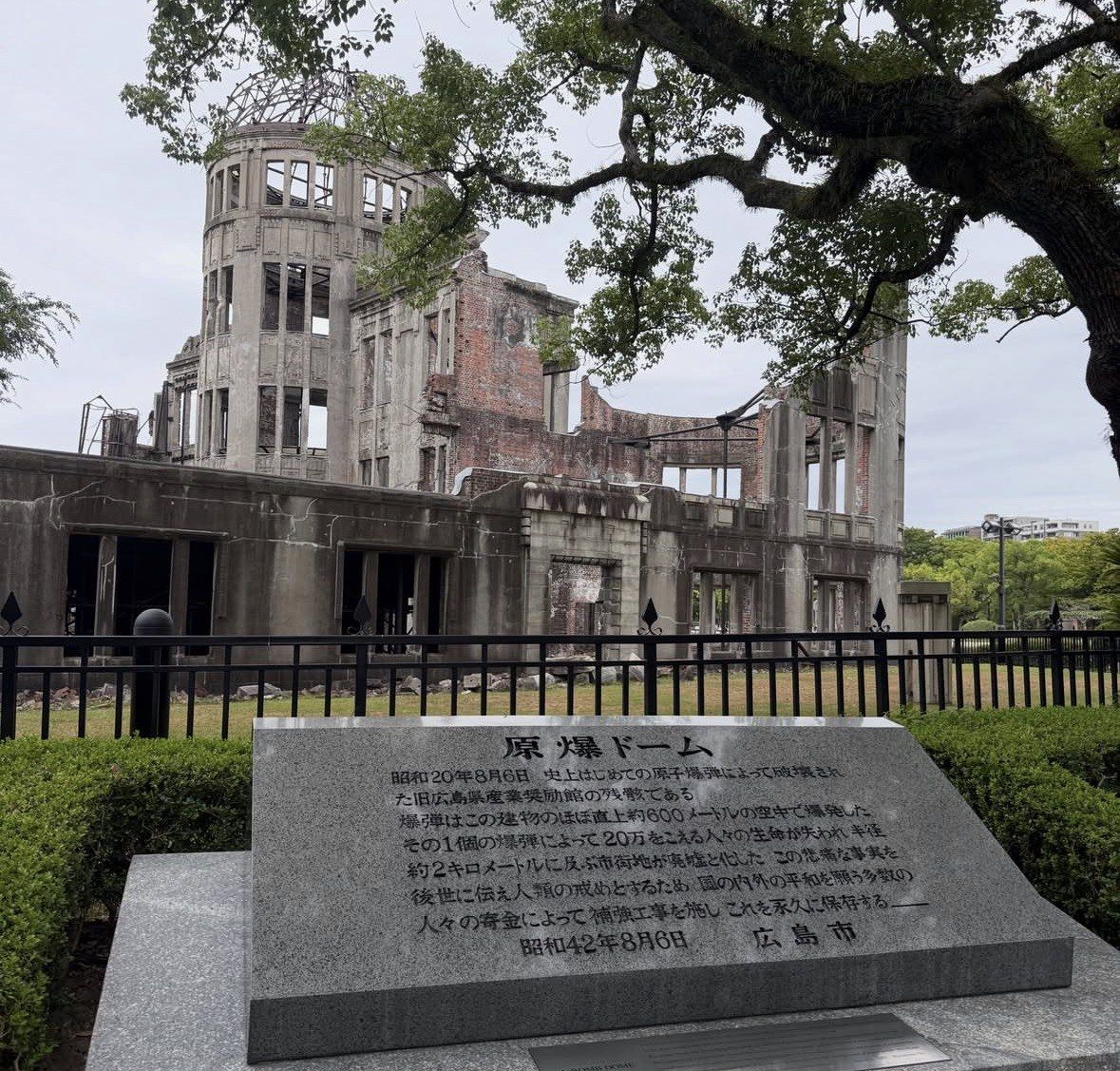
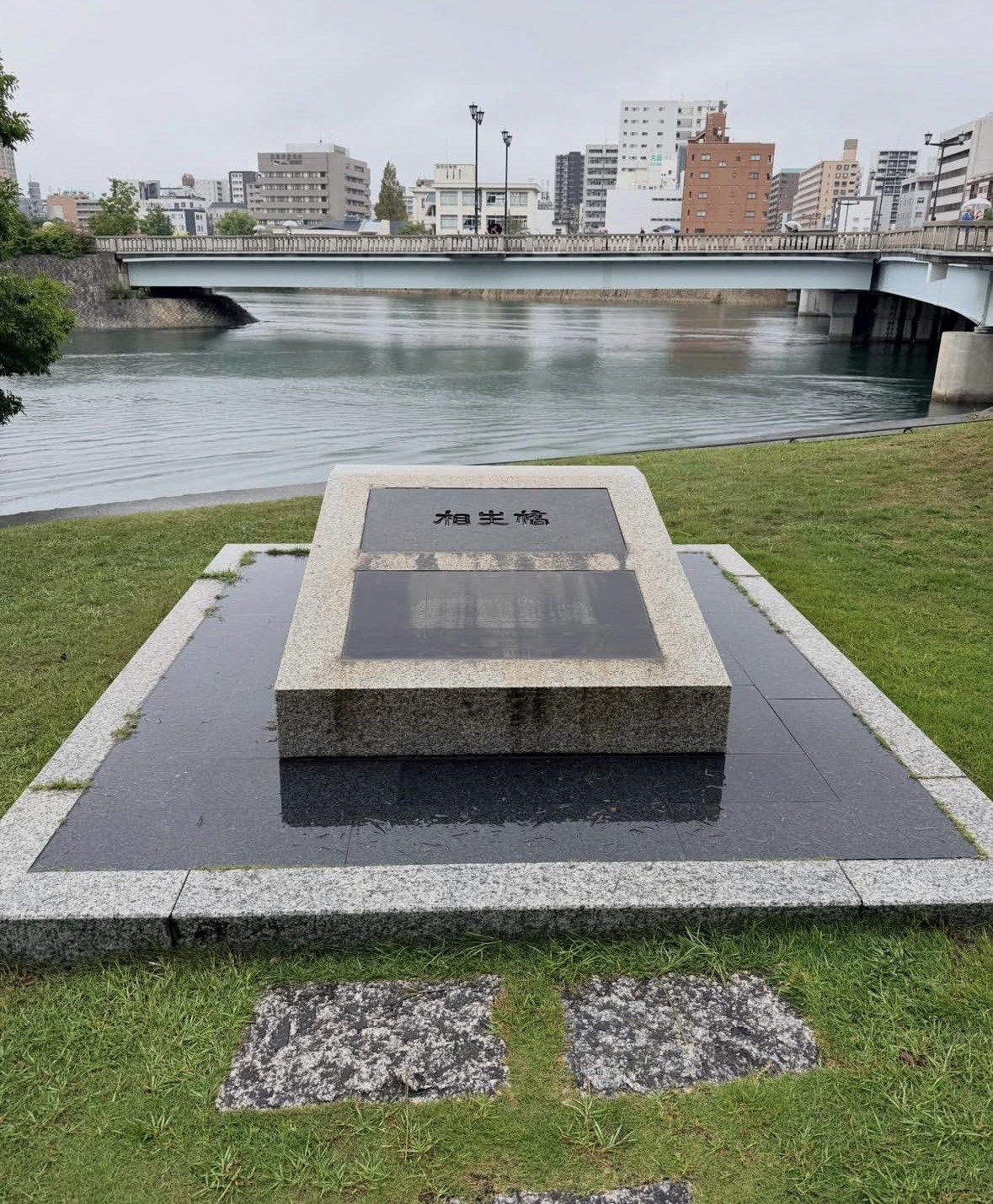
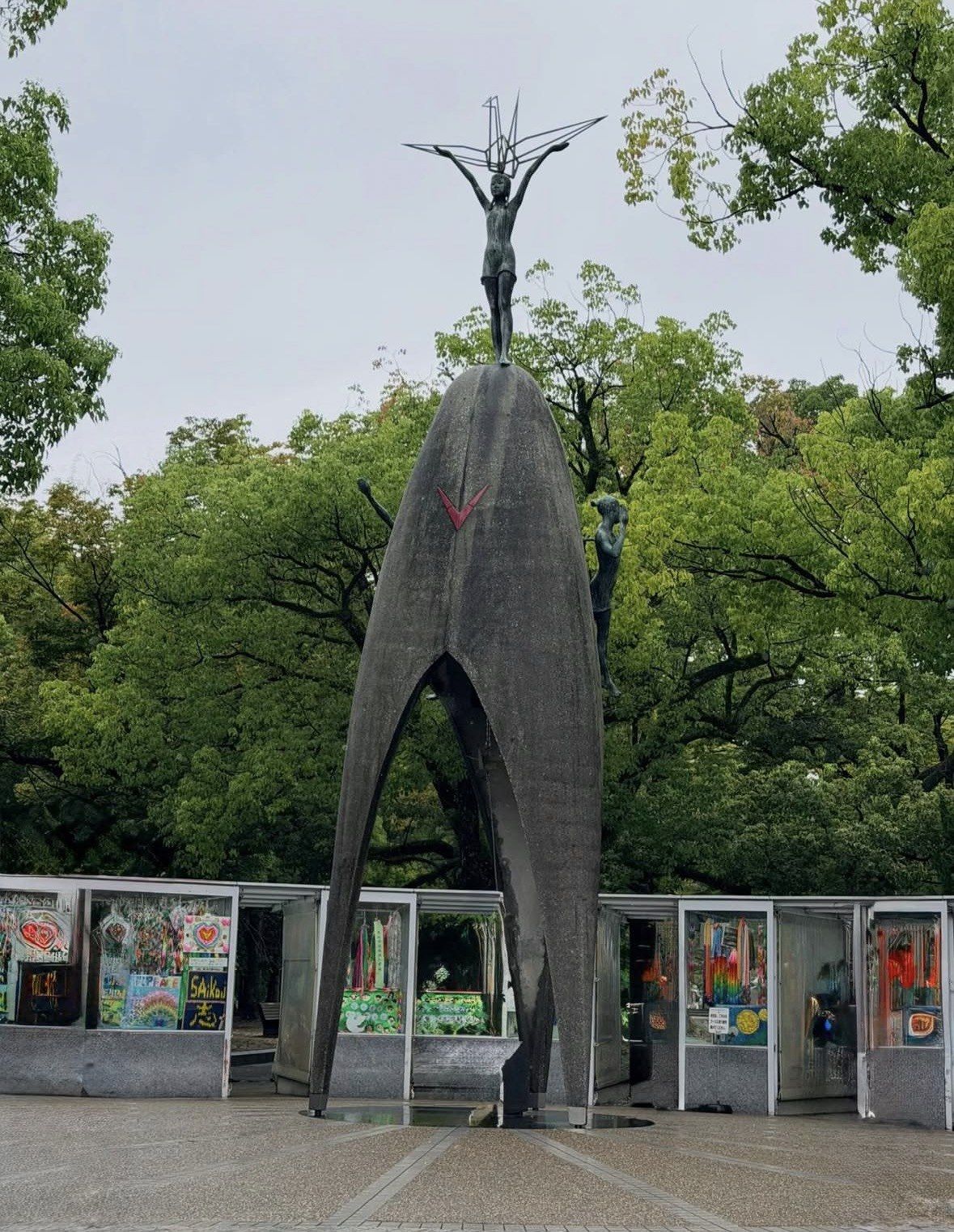
Peace Memorial Park was completed on 1 April 1954 to a design by three architects including Kenzo Tange, chosen first out of 145 competition entries. It covers approximately 122,100 square metres between two rivers. The Atomic Bomb Dome at its northern end was inscribed on the UNESCO World Heritage List on 5 December 1996 at the committee meeting in Mérida, Mexico.
1168
Itsukushima Shrine's shinden-zukuri rebuild
Itsukushima Shrine dates its founding to 593 and was rebuilt in shinden-zukuri style by Taira no Kiyomori in 1168. It is a designated national treasure and was registered as a World Heritage Site in 1996. Opening is 6:30am to 6:00pm from 1 March to 14 October, its longest season, with the Treasure Hall open 8:00am to 5:00pm all year and Senjokaku 8:30am to 4:30pm.
March 2026
Hiroshima Castle's main keep is closed
According to the castle's own site, the main keep closed in March 2026 because of deteriorating concrete and ageing building services, on safety grounds. It is not scheduled for demolition and the exterior can still be viewed. The reconstructed Ninomaru buildings stay open 9:00 to 17:30 from April to September and 9:00 to 16:30 from October to March, last entry 30 minutes before closing, and keep and Ninomaru are illuminated from sunset until 22:00.
16:00
The ropeway stops running uphill at 16:00
Uphill service on the Miyajima Ropeway runs from 9:00 to 16:00, with the last descent at 16:30. Two linked lines make up the ride: the Momijidani line uses 8-person cabins at one-minute intervals for 10 minutes, the Shishiiwa line 35-person cars at 5 to 15 minute intervals for 4 minutes, and a shuttle bus to Momijidani station runs from 9:50 roughly every 20 minutes. Service shuts down entirely for periodic inspection at announced intervals and can be suspended for high wind, thunder or power failure, so check the operator's notices on the day.
220 minutes
The prefecture's one-day plan is tight
Hiroshima prefecture's tourism board allots 30 minutes at the Atomic Bomb Dome, 60 at the museum, a 45-minute boat crossing and 60 minutes at Itsukushima Shrine in its own one-day Hiroshima and Miyajima model course, about 220 minutes of stops in total. That is before any climb up Mt. Misen. It is also why the full-day bus options on this site run 8 hours to 8 hours 20 minutes from Hiroshima.
1620
Shukkeien dates from Genna 6
Shukkeien was laid out from Genna 6 (1620) as the villa garden of Hiroshima's lord Asano Nagaakira, designed by his chief retainer and tea master Ueda Soko. It opens 9:00 to 18:00 from 16 March to 15 September and 9:00 to 17:00 from 16 September to 15 March, last entry 30 minutes before closing. The Hiroshima Prefectural Art Museum stands directly beside it at the Shukkeien-mae tram stop.
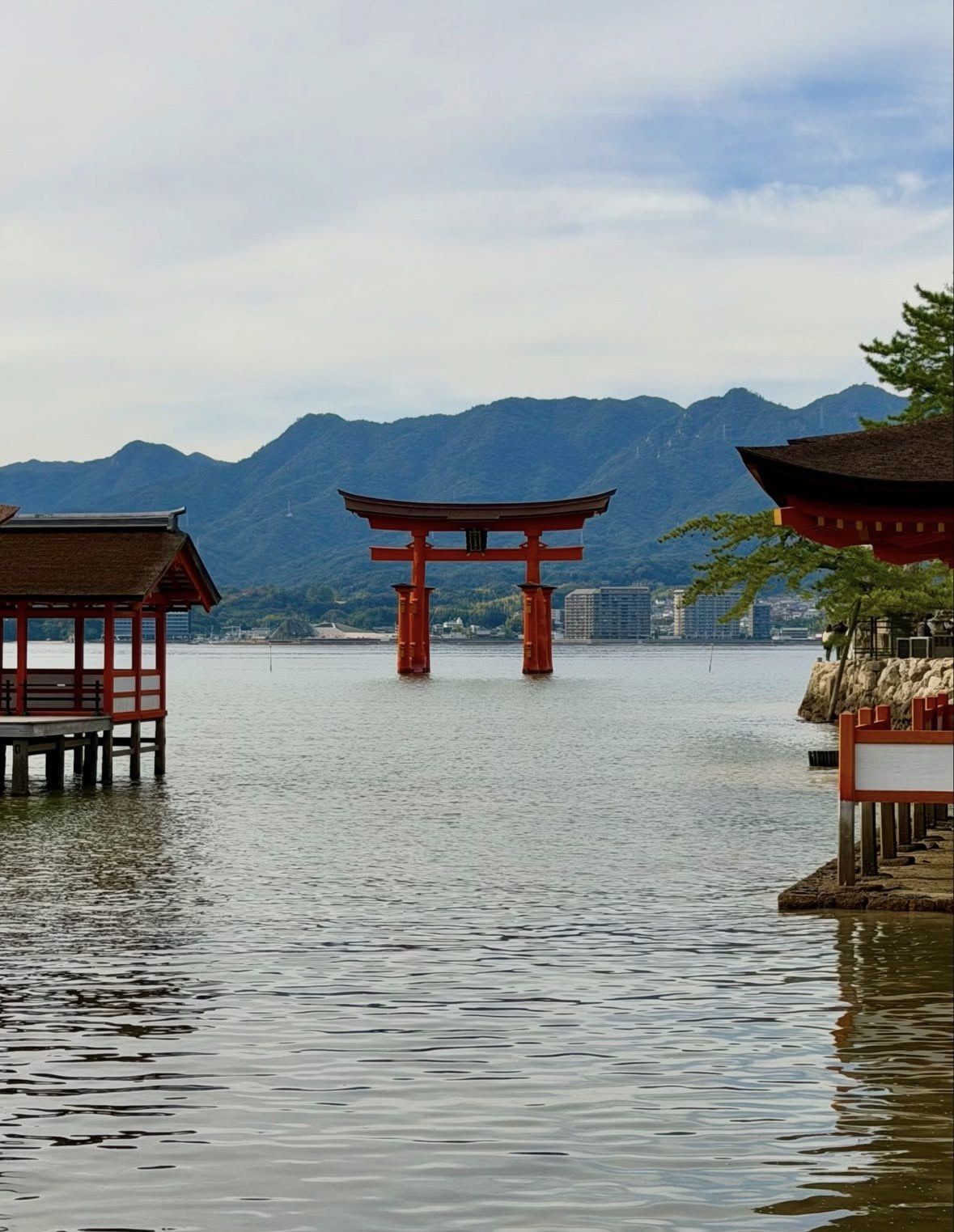
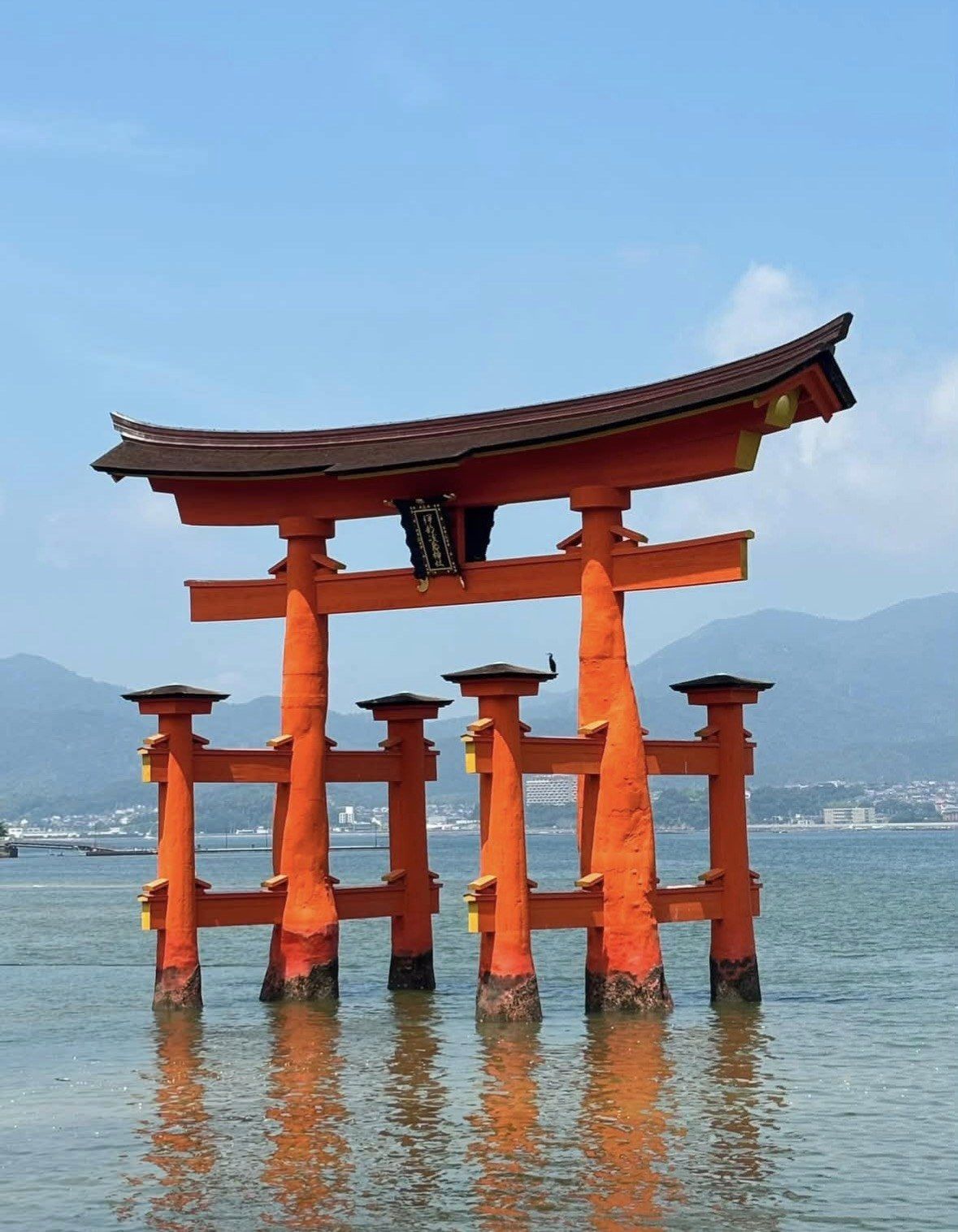
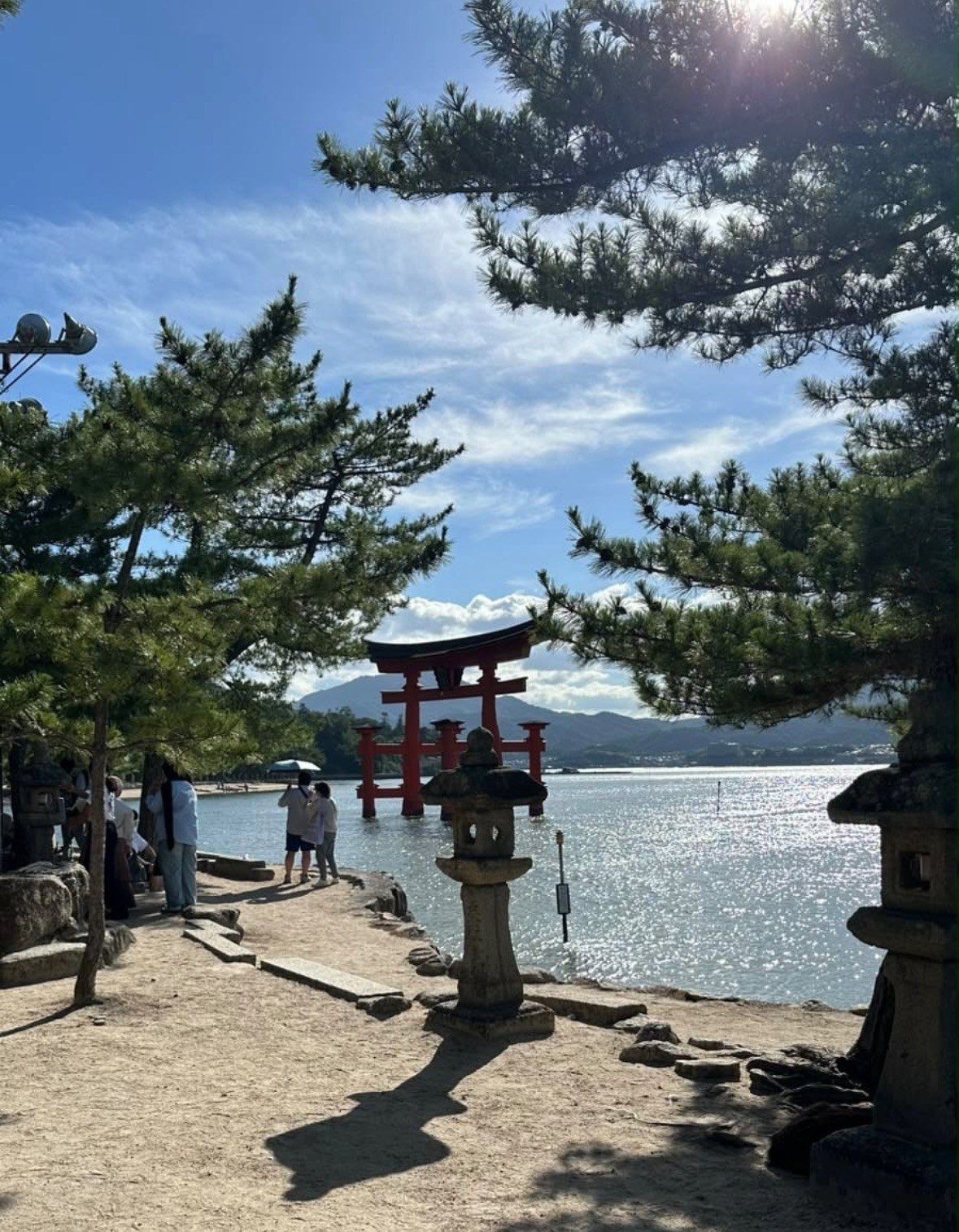
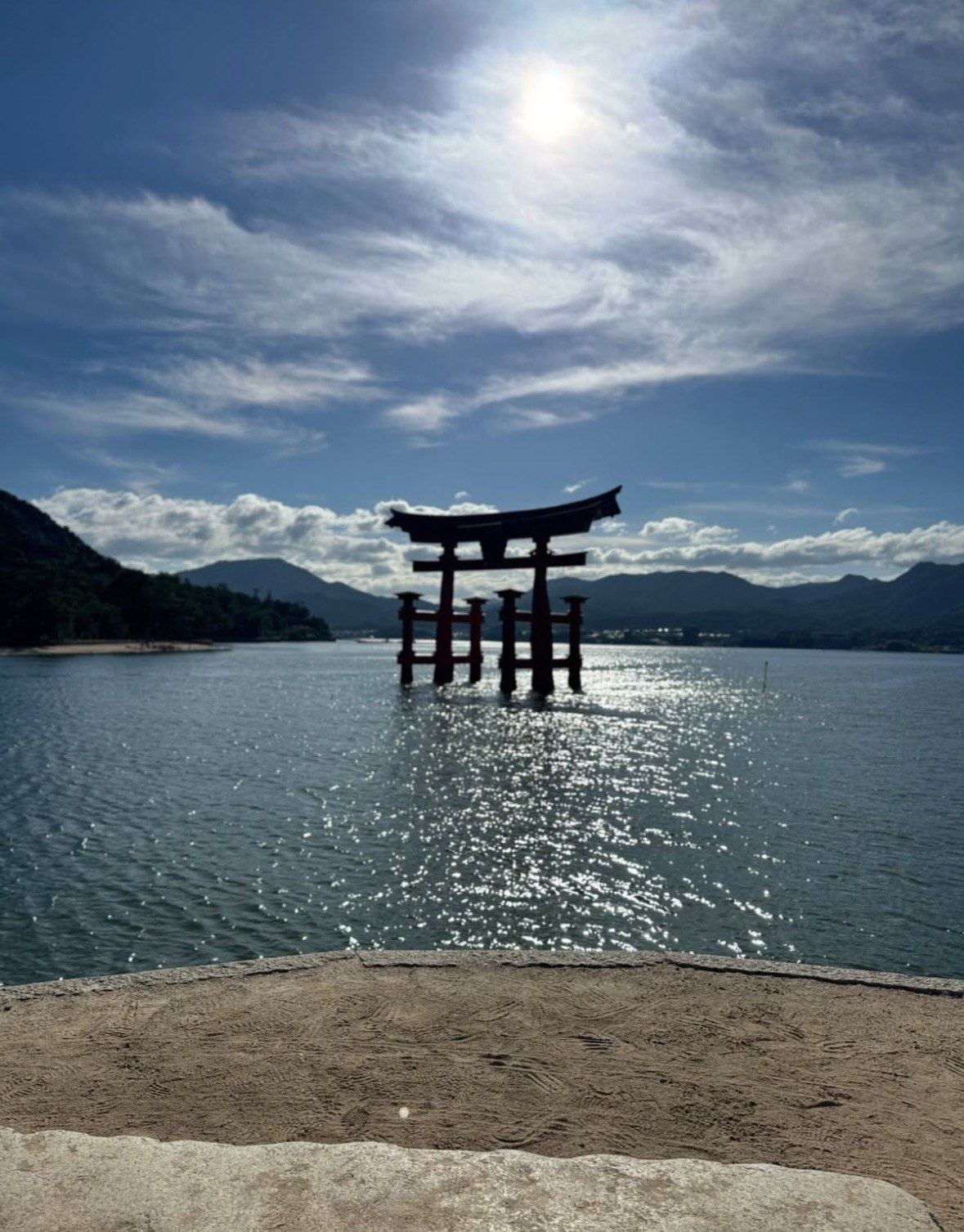
Itsukushima Shrine, timed to the tide
A daily tide table from the Miyajima Tourist Association gives the windows when the shrine appears to float and when the Great Torii can be approached on foot, and on many days there is no torii-walk window at all. Check it before you fix the island half of your day. Staying until closing also puts you on the island after the scheduled groups have left.
Peace Memorial Museum, early in the day
Doors open at 7:30am all year, well before the usual group arrivals. Entry to the permanent exhibition during the early-morning and late-evening extension windows requires an online reservation. The museum closes on 30 and 31 December and for a few days in mid-February for an exhibition changeover.
Mt. Misen, by ropeway or on foot
Ropeway cars stop short of the summit; from the summit observatory it is about a one-kilometre walk back to the ropeway station. Three official trails, Momijidani, Daisho-in and Omoto, reach the top in about 1.5 to 2.5 hours from town, with the Daisho-in course listed at two hours. Uphill service runs 9:00 to 16:00 with the last descent at 16:30, so this is an add-on for the early part of the afternoon.
Orizuru Tower by the Dome
Hours for the observation deck and shop are 10:00 to 18:00, with ticket sales and deck admission stopping 30 minutes before closing. The rooftop viewpoint is HIROSHIMA HILLS, the 12th floor holds ORIZURU SQUARE and the ORIZURU WALL origami-crane installation, and the ground floor has a cafe, shop and okonomiyaki restaurant. It stands at 1-2-1 Ootemachi, about one minute on foot from the Genbaku Dome-mae tram stop, and is included on the 5-hour walking day, from 13,600 yen, 5.0 ★ (1,052 reviews).
Okonomiyaki and oysters after dark
Hiroshima-style okonomiyaki is layered rather than mixed: a thin crepe base topped with cabbage, meat or seafood, fried noodles and an egg, a style credited to Mitchan Sohonten. Local oysters are small, slightly sweet and low in liquid, which suits grilling. The 3-hour izakaya night tour, from 13,500 yen, 4.9 ★ (355 reviews), meets outside the Fukuya department store and includes 3 drinks, 2 food plates and an okonomiyaki plate.
A morning on two wheels
Flat ground across the city centre makes the 3 to 4 hour bike morning a practical first overview. It runs from 11,000 yen, 4.9 ★ (617 reviews), meets at 4-5-4 Otemachi, Naka-ku, and includes bike, helmet, bottled water and an English-speaking guide. Alcoholic drinks, hotel pickup and gratuities are not included.
How the city's two World Heritage sites stack up against the easiest side trips from Hiroshima Station.
Travellers with two or three days usually weigh the city against the towns around it, and the comparison matters because the guided options on this site all stay inside Hiroshima and Miyajima. A Hiroshima tour gives you both World Heritage sites with admissions and the ferry handled. Iwakuni, Kure and Onomichi are reachable by train in roughly an hour or less, but you would be arranging those days yourself, and the table below shows what each one actually offers.
Crowds
Price
Best For
What Sets It Apart
★ Hiroshima
Two World Heritage sites in one day; coach departures gather at Hiroshima Station from 10:00am
Guided days from JPY 7127; the 8-hour bus day from 19,488 yen
A first visit taking in Peace Memorial Park and Itsukushima Shrine the same day
Museum open from 7:30am all year, and a shrine whose view changes with the published tide windows
Iwakuni (Kintaikyo)
Kintaikyo is open 24 hours with illumination until 22:00
Not covered by the tours on this site
A half day around a wooden arch bridge, 44 minutes from Hiroshima on the JR conventional line
About 193 m long and 5 m wide, built with wooden joinery; castle ropeway 9:00 to 17:00, keep to 16:45
Kure (Yamato Museum)
Exhibition rooms 9:00 to 18:00, closed Tuesdays, admission until 17:30
Not covered by the tours on this site
Naval history within walking distance of JR Kure Station
A public viewing corridor for the 1/10-scale model of the battleship Yamato at 5-20 Takaramachi
Onomichi
The 25-temple walk spreads visitors over about three hours
Not covered by the tours on this site
Hillside lanes, temples and a short ropeway ride
Mt Senkoji ropeway generally 9:00 to 17:15, departing on the hour and at :15, :30 and :45 for a ride of about three minutes
Nowhere else in the prefecture puts two World Heritage sites within a 10-minute ferry crossing of each other, with a museum that opens at 7:30am and a shrine open to 6:00pm in summer. A guided Hiroshima tour also absorbs the two things that trip people up on a short visit, the ferry timing and the island admissions. Iwakuni, Kure and Onomichi work better as a second or third day.
Practical info
Everything to know about Hiroshima
Trains, seasons, packing, eating and the timing traps, taken from the operators' and institutions' own pages.
Getting to Hiroshima and around the city
A Nozomi from Shin-Osaka reaches Hiroshima in about 1 hour 25 minutes, as on Nozomi 5, which leaves at 09:02 and arrives at 10:27; Mizuho matches it, Sakura takes roughly 1 hour 30, Hikari about 1 hour 50 and the all-stations Kodama about 2 hours 35. From Kyoto a Nozomi takes about 1 hour 40 minutes, and from Tokyo about 3 hours 54. Note that on Nozomi trains every seat becomes reserved during the peak periods listed for 2026-27 as 21-23 November and 25 December to 5 January.
Hiroden runs nine tram services plus the L loop line. From Hiroshima Station, routes 1 and 5 head toward Hiroshima Port, route 2 toward Hiroden-Miyajimaguchi and route 6 toward Eba; no tickets are sold on board, you pay as you get off, and nine IC cards including Suica, PASMO and ICOCA are touched on both boarding and alighting. The first departure is 5:56 on route 5 and the last 23:09 on route 2, with the last route 2 tram all the way to Hiroden-Miyajimaguchi at 22:31, useful to know if your Hiroshima tour finishes late on the island.
Shin-Osaka to Hiroshima: about 1 hour 25 minutes by Nozomi or Mizuho; last train reaching Hiroshima is Nozomi 89 at 22:29, arriving 23:54
Kyoto to Hiroshima: about 1 hour 40 minutes by Nozomi; Mizuho and Sakura originate at Shin-Osaka, so those mean a change
Tokyo to Hiroshima: about 3 hours 54 minutes by Nozomi, calling at Shinagawa, Shin-Yokohama, Nagoya, Kyoto, Shin-Osaka, Shin-Kobe, Okayama and Fukuyama
Airport limousine bus to Hiroshima Station's Shinkansen Gate: about 50 minutes, Platform 5 at the station and stop 2 on the airport's first floor
Peace Memorial Park: about 25 minutes by tram from JR Hiroshima Station to Genbaku Dome-mae, then about a 10-minute walk
Miyajima-guchi to Miyajima: about 10 minutes, roughly every 15 minutes mid-day, 20 to 30 minutes early and late
Meiple-loop sightseeing bus: from the Shinkansen exit, 9:00 to 18:00 every 10 to 15 minutes, 42 trips a day, calling at the Prefectural Art Museum, Hiroshima Castle, Hiroshima Museum of Art, Genbaku Dome-mae, Heiwa Koen-mae and Namiki-dori Iriguchi
When to go, month by month
Late March into early April is the obvious window: cherry blossom normally flowers on 25 March with full bloom on 3 April, and April averages a daily high of 19.8C. October is the other strong month, averaging 23.7C. Autumn colour comes late here, with Japanese maple usually turning around 22 November and ginkgo around 15 November, but note that Itsukushima Shrine closes at 5:30pm from 15 October to 30 November, so the afternoons are short exactly when the leaves are at their best.
Rain arrives on a fairly reliable schedule: the rainy season normally begins around 6 June and ends around 19 July for the Chugoku region, and July is the wettest month at 279.8 mm against June's 226.5 mm. August is hot and sticky, averaging a high of 32.8C and a low of 25.1C, though the museum stays open until 8:00pm that month and until 9:00pm on the 5th and 6th. Typhoon formations peak in August and September, with Japan averaging 3.0 landfalls a year. January is the driest month at 46.2 mm, with highs of 9.9C and lows of 2.0C.
Cherry blossom normally flowers on 25 March, with full bloom on 3 April
April averages a daily high of 19.8C; October averages 23.7C
Japanese maple usually colours around 22 November, ginkgo around 15 November
Rainy season normally runs from about 6 June to about 19 July; July is the wettest month at 279.8 mm
August averages a high of 32.8C and a low of 25.1C, and typhoon formations peak in August and September
Itsukushima Shrine closes at 5:30pm from 15 October to 30 November and at 5:00pm through December; on 1 January it opens from midnight until 6:30pm
Dates to plan around: the Peace Memorial Ceremony on 6 August from 8:00 to 8:50 a.m. with a one-minute silence at 8:15 a.m., Toukasan for three days from the first Friday of June, and Ebisu Taisai on 18, 19 and 20 November with Chuo-dori pedestrianised on the evening of the 19th from 19:15 to 22:00
What to pack for the park, the ferry and the mountain
Shoes come first. A single day moves you across roughly 122,100 square metres of park, a tram platform, a ferry deck and the shrine's boardwalks, and if you go up Mt. Misen there is about a one-kilometre walk between the summit observatory and the ropeway station. Add a light rain shell from June into July, when the city averages 279.8 mm of rain in July alone. For August, when lows stay at 25.1C overnight, bring a hat, sun protection and more water than feels necessary.
Layers handle the rest of the year. December to February is cool rather than harsh, with January highs of 9.9C and lows of 2.0C, so a warm mid-layer and gloves are enough for the exposed riverbanks in the park. Carry an IC card: Hiroden trams accept nine of them, touched on both boarding and alighting, and the loop bus takes the major ones too. Keep some cash in your pocket as well, because the private full-day option lists the Miyajima visitor tax as a cash extra.
Walking shoes you can stand in all day, for the park, the shrine boardwalks and the island paths
Light rain shell for June and July, the two wettest months at 226.5 mm and 279.8 mm
Hat, sun protection and water for August, which averages a 32.8C high and a 25.1C low
Warm mid-layer and gloves for December to February, with January lows of 2.0C
An IC card for the trams, which accept Kitaca, PASMO, Suica, manaca, TOICA, ICOCA, HAYAKAKEN, nimoca and SUGOCA
Cash in reserve, since the private tour lists the Miyajima visitor tax as a cash extra
A small daypack that fits on your lap in an 8-person ropeway cabin on the Momijidani line
Screenshot of the day's tide windows from the Miyajima Tourist Association before you leave the mainland
Eating and local habits worth knowing
Okonomiyaki here is layered rather than mixed: a thin crepe base topped with cabbage, meat or seafood, fried noodles and an egg, a style credited to Mitchan Sohonten. Hiroshima oysters have the highest production of any Japanese prefecture, and they are small, slightly sweet and low in liquid, which is why they turn up grilled at izakaya and teppanyaki counters. The other local plate is anago-meshi, grilled conger eel over rice cooked in eel-head stock, associated with Ueno near Miyajima-guchi station, where waits can reach an hour in summer and at weekends.
Nagarekawa is one of the largest drinking districts and is reached directly from the Ebisucho or Hatchobori tram stops, alongside Hondori, Ekinishi in renovated Showa-era buildings west of JR Hiroshima Station and a retro bar district near JR Yokogawa Station. On the trams, have your card or coins ready for the exit, since nothing is sold on board. At the memorial sites, keep voices low and cameras discreet. The National Peace Memorial Hall has no public parking except for visitors with physical disabilities and recommends public transport.
Hiroshima okonomiyaki is layered with cabbage, meat or seafood, fried noodles and an egg over a thin crepe base
Oysters are small and low in liquid, which suits grilling; they are standard izakaya and teppanyaki fare
Anago-meshi near Miyajima-guchi station can mean an hour's wait in summer and at weekends
Evening districts: Nagarekawa from Ebisucho or Hatchobori, plus Hondori, Ekinishi and the area near JR Yokogawa Station
Trams are pay-on-exit with no tickets sold on board, so sort payment before your stop
National Peace Memorial Hall opens 8:30am, closing at 6:00pm March to November, 7:00pm in August and 5:00pm December to February
Mazda Museum is reservation-only and cannot take visitors without a prior booking; it runs Monday to Friday, with announced Saturday openings on 7 November and 5 December 2026 and 9 January and 20 March 2027, and English tours are available, though groups of eleven or more are conducted only in Japanese
Heat, weather and the clocks that can end your day early
Heat is the realistic risk in summer. August averages a daily high of 32.8C and a low of 25.1C, and most of the walking in Peace Memorial Park is in the open, so keep water with you and use the museum's long hours to sit out the worst of the afternoon. June and July bring the rainy season, normally from around 6 June to around 19 July, with July the wettest month at 279.8 mm. Typhoon formations peak in August and September.
Weather and the clock both limit the ropeway: it shuts down entirely for periodic inspection at announced intervals and can be suspended for high wind, thunder or power failure, with uphill service ending at 16:00 and the last descent at 16:30. If you walk instead, the three official trails take about 1.5 to 2.5 hours from town. Coming back late, the last ferry from Miyajima to the mainland runs in the 22:00 hour, around 22:14, and the last tram through to Hiroden-Miyajimaguchi leaves Hiroshima Station at 22:31.
August averages a 32.8C high and a 25.1C low; carry water and plan shade into the park walk
Rainy season normally runs about 6 June to about 19 July, with 279.8 mm of rain in July
Typhoon formations peak in August and September, and Japan averages 3.0 landfalls a year
Ropeway service can be suspended for high wind, thunder or power failure, and closes entirely for periodic inspection
Uphill ropeway service ends at 16:00, last descent 16:30; from the summit observatory it is about a one-kilometre walk back to the station
Last ferry from Miyajima to the mainland is in the 22:00 hour, around 22:14
National Peace Memorial Hall recommends public transport and has no public parking except for visitors with physical disabilities
Location
Find Hiroshima Peace Memorial Park
Hiroshima Peace Memorial Museum is at 1-2 Nakajima-cho, Naka-ku, Hiroshima 730-0811, Japan, about a 10-minute walk from the Genbaku Dome-mae tram stop.
Plan your visit
Practical information for Hiroshima and Miyajima
Opening hours, seasons, transport, the map and nearby sights, gathered to help you plan a day around Peace Memorial Park and Miyajima.
Straight answers to the questions people actually ask before fixing a single day in Hiroshima.
Opening time is 7:30am, as listed on the museum's own site, with closing at 7:00pm from March through July and again from September through November. In August it stays open until 8:00pm, and until 9:00pm on the 5th and 6th. It closes an hour earlier, at 6:00pm, between December and February. Entry to the permanent exhibition during the early-morning and late-evening extension windows requires an online reservation, and the museum closes on 30 and 31 December and for a few days in mid-February for an exhibition changeover.
Tide levels decide that, and they move through the day. The Miyajima Tourist Association publishes a daily tide table giving the windows when Itsukushima Shrine appears to float and the separate windows when the Great Torii can be approached on foot, and on many days there is no torii-walk window at all. Check that table before you fix a departure time, because no fixed-schedule day tour can promise either view. If both matter to you, plan to be on the island across a tide change.
Not at the moment. According to the castle's own site, the main keep closed in March 2026 because of deteriorating concrete and ageing building services, on safety grounds, and there is no reopening date. The keep is not scheduled for demolition and the exterior can still be viewed, and the reconstructed Ninomaru buildings stay open 9:00 to 17:30 from April to September and 9:00 to 16:30 from October to March, last entry 30 minutes before closing. The keep and Ninomaru are illuminated from sunset until 22:00, which is the better reason to walk past.
Start with the Peaceful Hiroshima & Miyajima UNESCO 1 Day Bus Tour: 8 hours, from 19,488 yen, 5.0 ★ (9,528 reviews), with an English-speaking local guide, multilingual bus audio, round-trip ferry and admissions for the Peace Memorial Museum, Miyajima Island and Itsukushima Shrine. It meets at 10:00am in front of the Shinkansen ticket gate on 2F at Hiroshima station, North Gate. If you want a lower starting price, the Hiroshima & Miyajima Guided tour with Itsukushima Shrine & Ferry runs 8 hours from JPY 7127 with a bilingual English and Spanish guide. Compare the tours before you decide which admissions you actually want covered.
Crossing from Miyajima-guchi to Miyajima takes about 10 minutes, with departures roughly every 15 minutes through the middle of the day and gaps of 20 to 30 minutes early and late. There is also a World Heritage Sea Route boat from the Motoyasu Bridge pier beside Peace Memorial Park that runs direct to the island in about 45 minutes each way, and a high-speed boat from Hiroshima Port that takes about 30 minutes. A Miyajima visitor tax is charged separately on entering the island; several of the full-day options here include it, while the private tour lists it as a cash extra.
Only if you can get there early enough. The ropeway runs uphill from 9:00 to 16:00 with the last descent at 16:30, and it is two linked lines: the Momijidani line with 8-person cabins at one-minute intervals for a 10-minute ride, then the Shishiiwa line with 35-person cars every 5 to 15 minutes for 4 minutes. It does not reach the summit, which is about a one-kilometre walk from the observatory back to the station. It also shuts entirely for periodic inspection at announced intervals and can stop for high wind, thunder or power failure, so check the operator's notices on the day.
Take a Hiroden tram to Genbaku Dome-mae, about 25 minutes, then walk about 10 minutes. Streetcar line 1 or bus 24 to Hon-dori plus a five-minute walk works too, in about 20 minutes. No tickets are sold on board the trams and you pay as you get off, with nine IC cards accepted and touched on both boarding and alighting. The Hiroshima Meiple-loop sightseeing bus also runs from the Shinkansen exit of the station every day from 9:00 to 18:00 at 10 to 15 minute intervals, calling at Genbaku Dome-mae and Heiwa Koen-mae.
Yes, and the train makes it realistic: a Nozomi from Shin-Osaka reaches Hiroshima in about 1 hour 25 minutes, and from Kyoto about 1 hour 40 minutes. The escorted options are long days, though. From Osaka, the bullet train full-day tour runs 13 hours 10 minutes, from 59,900 yen, 4.5 ★ (144 reviews), meeting by the lifts on Hotel Granvia Osaka 1F; the Kyoto equivalent runs 13 hours 20 minutes, from 60,500 yen, 4.5 ★ (147 reviews), meeting at the desk inside Avanti B1F across from Kyoto Station's Hachijo Exit. A shorter alternative from Osaka is 11.5 hours from JPY 15046, but on that one the guide does not join the train and meets you outside Hiroshima Station at the Shinkansenguchi Hiroba bus berth between stops 8 and 9.
Doors open at 6:30am and close at 6:00pm from 1 March to 14 October, the shrine's longest season. Closing moves to 5:30pm from 15 October to 30 November and from 4 January to the end of February, and to 5:00pm through December, so autumn-leaf season gives you the shortest afternoon. On 1 January it is open from midnight until 6:30pm for New Year worship. The Treasure Hall keeps 8:00am to 5:00pm all year and Senjokaku (Hokoku Shrine) 8:30am to 4:30pm.
It can be, if you skip the island. The Hiroshima Peace (Heiwa) Walking Tour at World Heritage Sites runs 5 hours, from 13,600 yen, 5.0 ★ (1,052 reviews), with a certified guide, lunch and entrance to the Peace Memorial Museum and Orizuru Tower, meeting in front of the mont-bell store near Nishi Kamiyacho; arrive on time, because anyone more than 15 minutes late cannot join. For something shorter there is a 2-hour Peace Memorial Park and museum walk, from 3,000 yen, 5.0 ★ (5 reviews) — a small review count, so read it as new rather than popular. A 3 to 4 hour morning bike option, from 11,000 yen, 4.9 ★ (617 reviews), covers the flat city centre instead.
Start times and seasonal hours shift through the year, so check the date you want.
Itsukushima Shrine dates its founding to 593, the year Empress Suiko acceded, and was rebuilt in shinden-zukuri style by Taira no Kiyomori in 1168. Peace Memorial Park was completed on 1 April 1954 to a design chosen first out of 145 competition entries, and the Atomic Bomb Dome was inscribed on the UNESCO World Heritage List on 5 December 1996.