In shortThe Atomic Bomb Dome in Hiroshima stands at the northern end of Peace Memorial Park. The ruined exhibition hall is conserved as it was left and has no public interior, so viewing is from the riverbank, the bridges and the park axis. The shell itself carries a World Heritage listing, decided for it on 5 December 1996 at the committee session held in Mérida, Mexico. Trams reach Genbaku Dome-mae in about 25 minutes from JR Hiroshima Station.
5 December 1996World Heritage inscription
30 minutesmodel course allowance here
about 25 minutestram from JR Hiroshima Station
122,100 m²size of the park around it
What the Atomic Bomb Dome in Hiroshima is
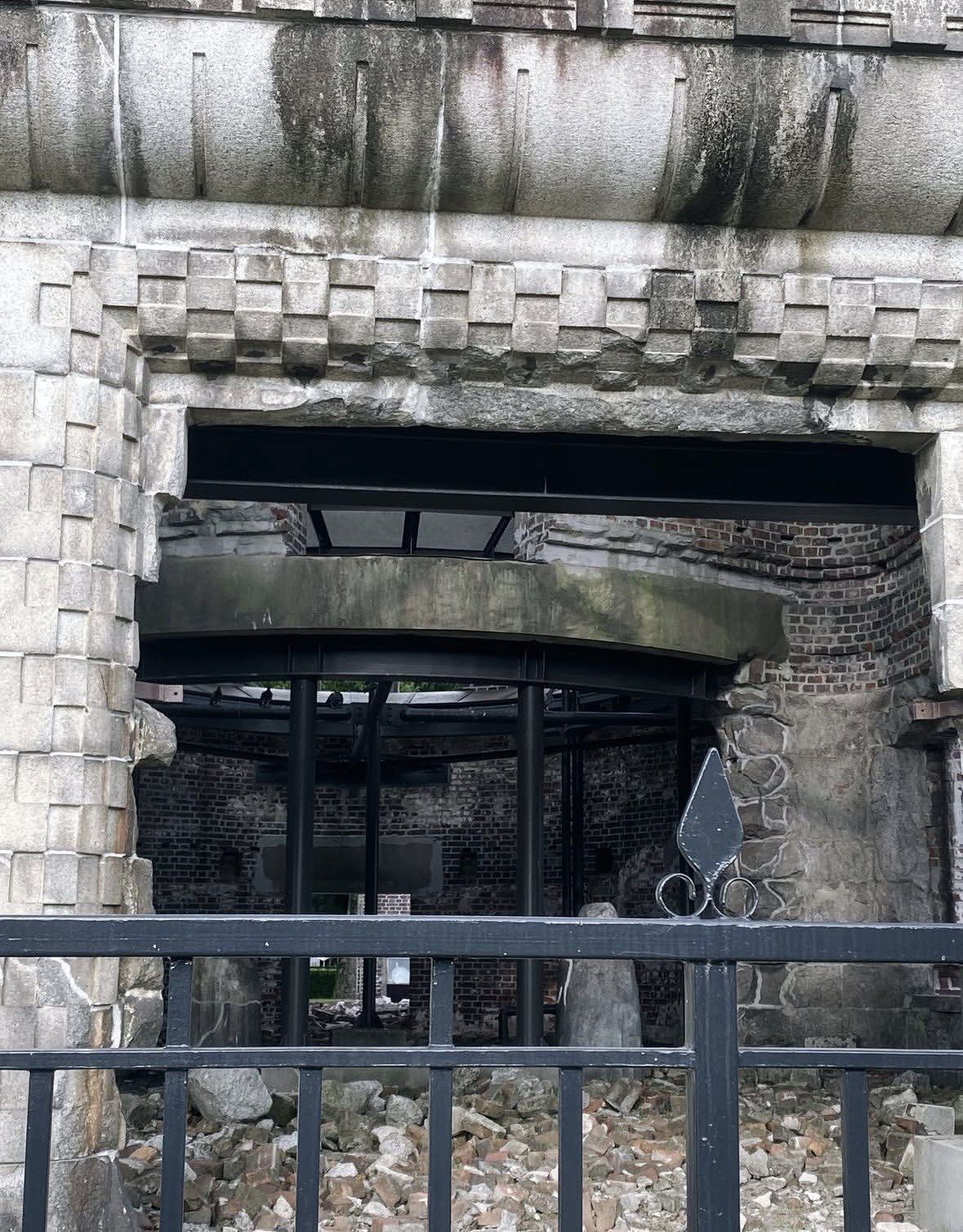
The Atomic Bomb Dome is the brick and concrete shell at the northern tip of Peace Memorial Park, on the bank of the Motoyasu River. Before the bombing it worked as an exhibition and promotion hall for the prefecture's products and crafts, built in a European style with a copper-covered dome over the central stairwell. The outer walls, parts of the floors and the skeleton of that dome stayed upright through the morning of 6 August, and the bare steel ribs are what people photograph today.
Locals, signage and timetables all call it the Genbaku Dome, which is why the tram stop in front of it is Genbaku Dome-mae. Everything else around the ruin was designed and built afterwards: roughly 122,100 square metres of planned ground, finished on 1 April 1954 to a competition-winning plan by three architects, Kenzo Tange among them. The shell was the fixed point that the rest of the layout was arranged around, and the park's main sightline still ends at it. Stand near the Cenotaph looking north and the building closes the view.
How the ruin is conserved
Conservation here means holding the building in the state it was left in. The roof is not replaced, gaps in the brickwork are not filled, window openings stay empty. Work on the structure goes into stability, so what changes over the years sits inside the walls rather than on the face.
There is no visitor route inside and no ticket for the building. A fence runs around the base, so the looking all happens from public ground outside: the riverside walk, the bridges, the park axis. Half an hour covers every angle worth having, which is roughly what the prefectural tourism board's one-day model course sets aside, 30 minutes at the Dome before it moves you on to the museum.
The A-Bomb Dome World Heritage inscription
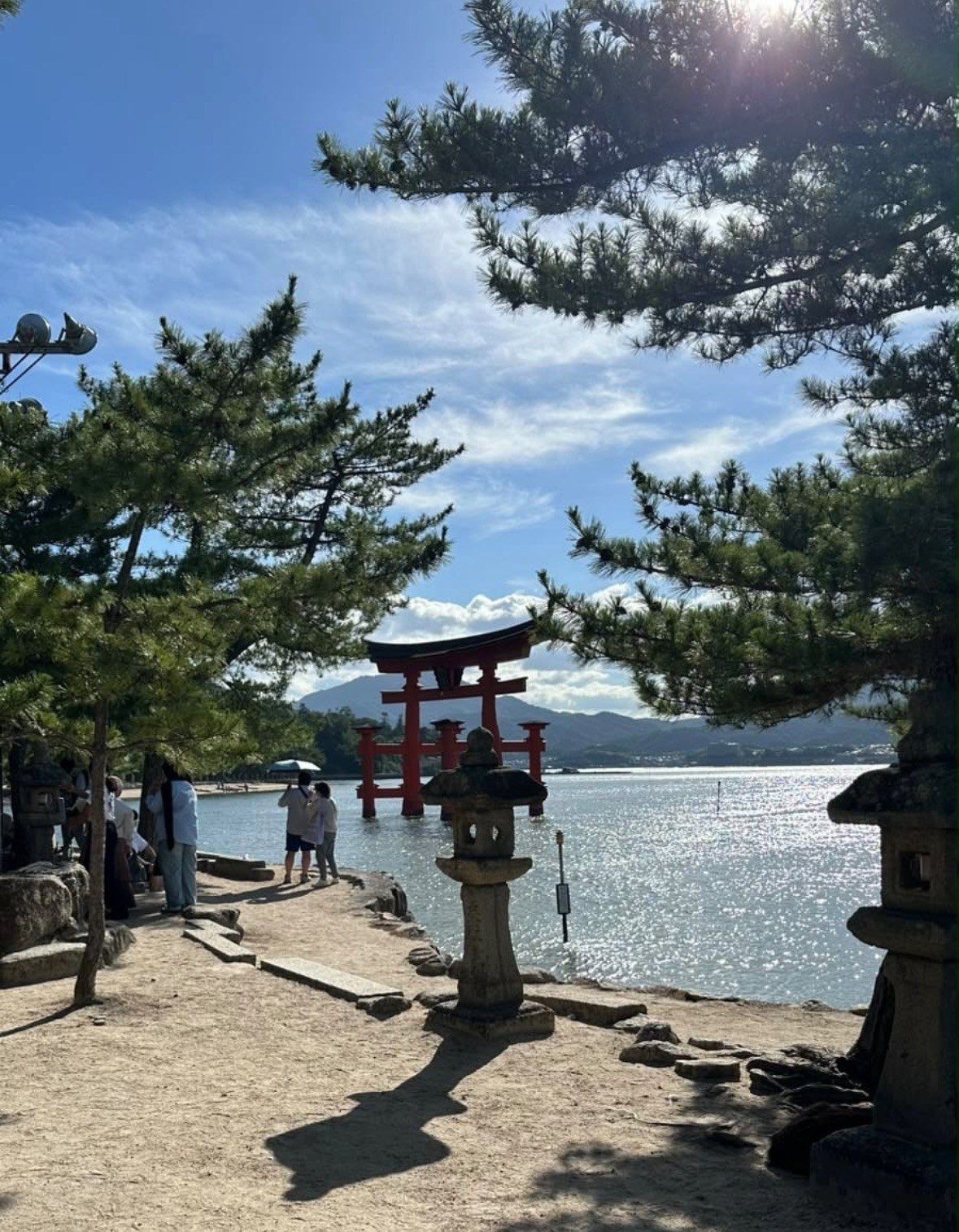
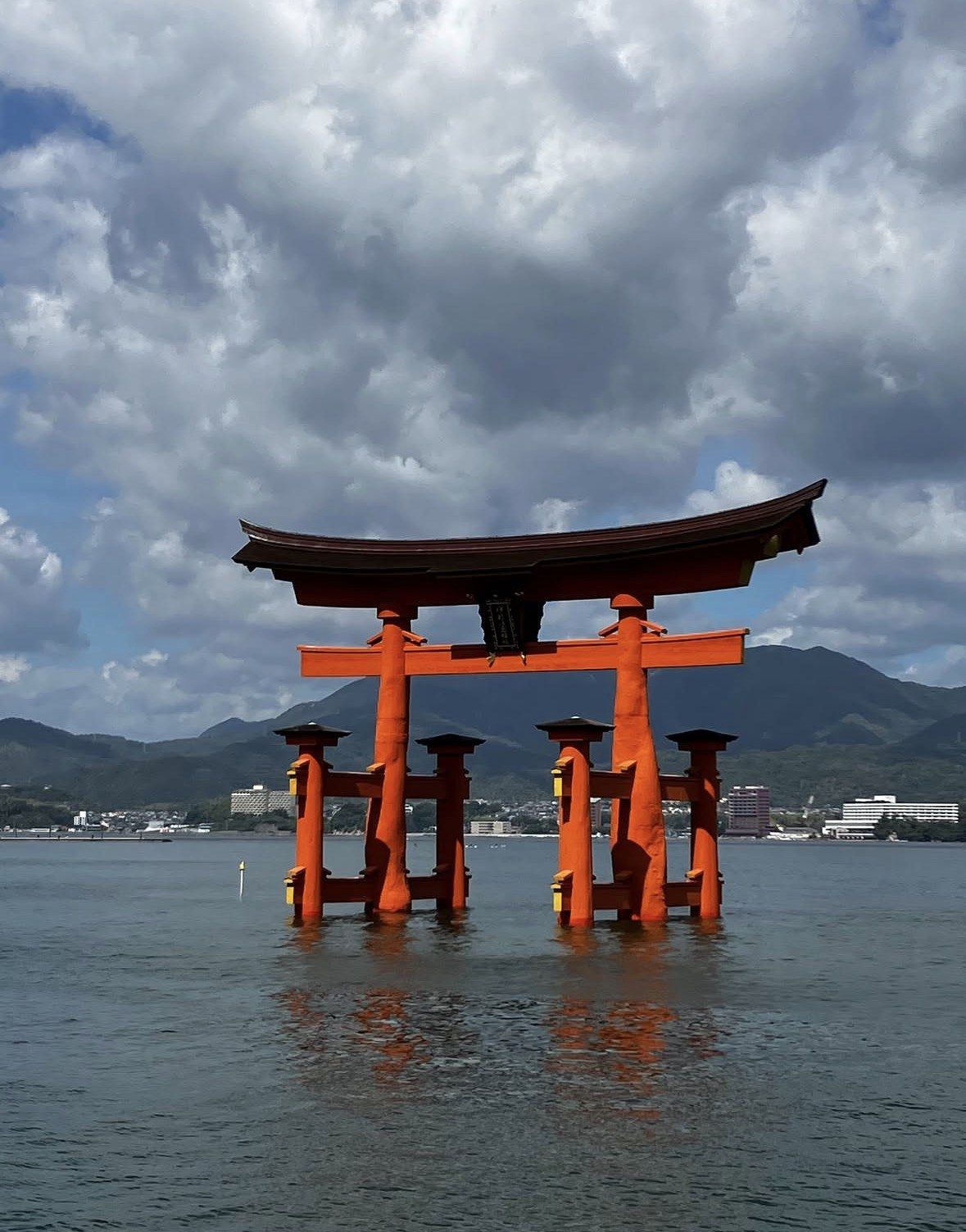
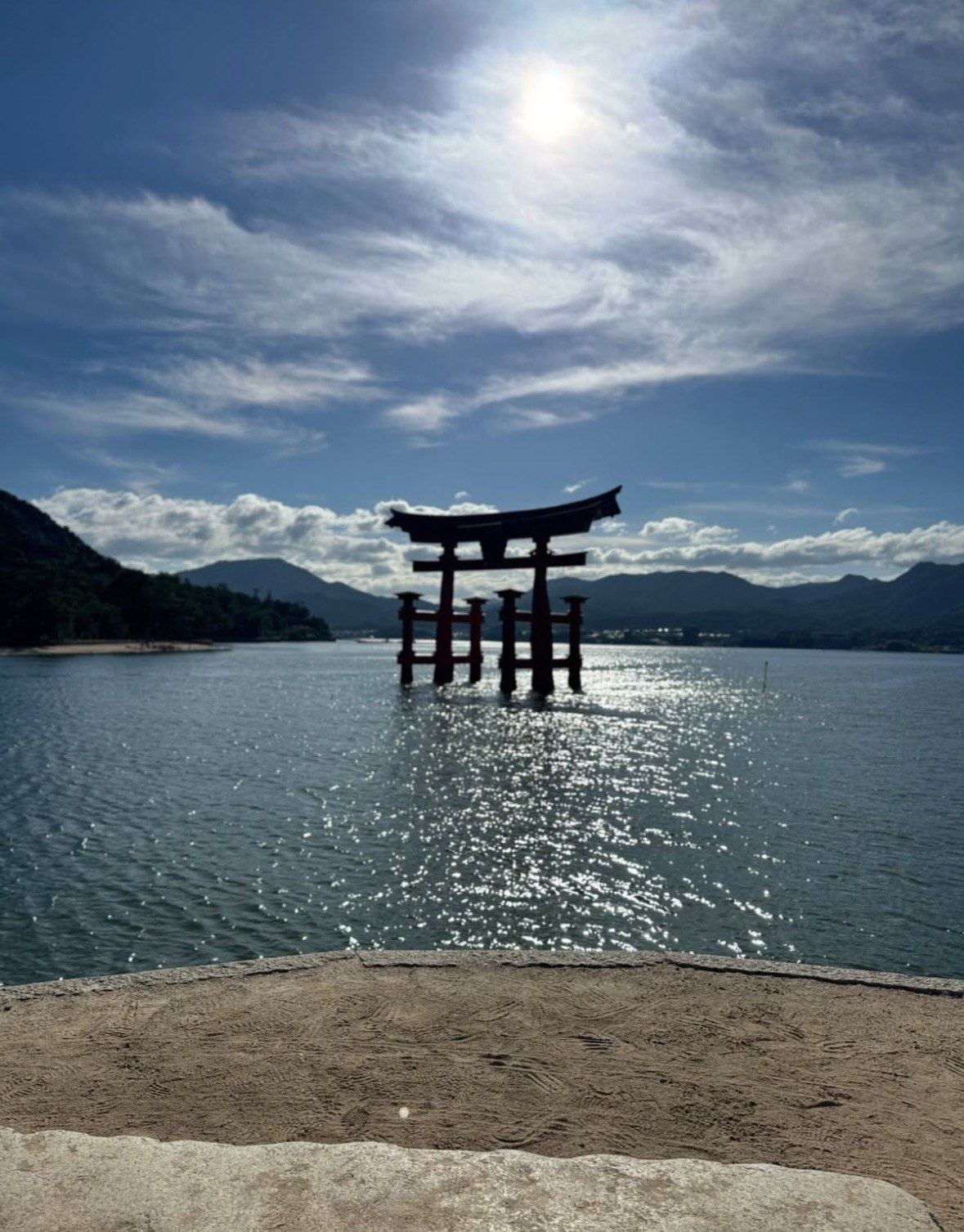
UNESCO's committee met in Mérida, Mexico, and added the building to the World Heritage List on 5 December 1996. Itsukushima Shrine on Miyajima was registered the same year, so a day covering both takes in two sites listed in 1996, thirty years ago in 2026.
The inscription brings no entrance, no visitor centre and no opening hours to work around. What it does shape is the order of a guided day. On most routes through the park the Dome comes first, and that is where a guide sets out the history before you walk south past the Cenotaph to the Peace Memorial Museum at the far end. The walk is flat the whole way. Every guided option on this site includes a guide who talks you through the building while you stand in front of it.
Guided on foot from the Dome
Five hours on foot with a certified guide through the park monuments, with entrance to the Peace Memorial Museum and Orizuru Tower included. The guide explains the building while you stand in front of it.
★ 5.0/5 · 1,052 reviews
Where to stand, and when the light is good
Four standpoints cover the building, all of them outdoors and open at any hour.
Light makes more difference here than the time of year does. Early morning is the quiet stretch, low sun and almost nobody on the riverbank, and it works neatly with the museum's 7:30am opening if you have the online reservation that the early window requires. The middle of the day flattens the brickwork and brings the coach arrivals. Late afternoon puts warmer light on the river face and gives the longest view back along the park axis. In summer the ends of the day are also the bearable ones, with August averaging a daily high of 32.8C and lows around 25.1C.
- The Motoyasu riverbank path: the closest view, the whole shell above the water, and the angle most photographs use.
- Motoyasu Bridge, a short walk along the river, which doubles as the pier for the World Heritage Sea Route boat to Miyajima.
- The bridge immediately north of the building, for a view back down the river with the ruin on the left bank.
- The park axis near the Cenotaph, looking north, with the Dome framed at the end of the designed sightline.
Getting there from JR Hiroshima Station
Trams are the straightforward way in. A Hiroden service signed for Eba or Miyajima reaches Genbaku Dome-mae from JR Hiroshima Station in about 25 minutes, and the park's own access information then allows about ten minutes on foot into the park proper. Trams for Ujina stop at Fukuro-machi instead, the same short walk away.
Streetcar line 1 and bus 24 both take about 20 minutes from the south exit to Hon-dori, and from there it is five minutes on foot, through the shopping arcades and up to the Dome from the south end of the park. The sightseeing loop bus is the other way round: it leaves from the Shinkansen exit of the station and calls at Genbaku Dome-mae and Heiwa Koen-mae on its single reorganised route, running every day from 9:00 to 18:00, at intervals of 10 to 15 minutes and 42 trips a day.
No tickets are sold on board the trams; you pay as you get off, and an IC card is touched on both boarding and alighting. At the station, Hiroden routes 1 and 5 run toward Hiroshima Port, route 2 toward Hiroden-Miyajimaguchi and route 6 toward Eba. The first departure of the day is 5:56 on route 5, the last 23:09 on route 2.
Seeing it alone or as part of a guided park route
Taken alone it is a short visit: off at Genbaku Dome-mae, along the riverbank, read the panels, back on the tram inside half an hour. That suits travellers who already have the rest of the day mapped, whose train leaves later, or who plan to come back past the river in the evening when the path empties out.
The argument for a guided route is the commentary you cannot get from a panel, plus the fact that a Hiroshima day is tighter than the map suggests. The prefecture's model one-day course adds up to about 220 minutes of stops, 30 at the Dome, 60 inside the museum, 60 at Itsukushima Shrine and a 45-minute boat leg, which is why the full-day tours here run 8 hours.
Choose by how far you want the day to reach. Hiroshima Peace (Heiwa) Walking Tour at World Heritage Sites stays in the city centre for 5 hours and includes museum entrance and Orizuru Tower, from 13,600 yen, 5.0 ★ (1,052 reviews). To carry on from the Dome across the water, Peaceful Hiroshima & Miyajima UNESCO 1 Day Bus Tour builds the ferry and the island into an 8-hour day and covers entry at the Peace Memorial Museum, Miyajima Island and Itsukushima Shrine, from 19,488 yen, 5.0 ★ (9,528 reviews). For a first look at the flat city centre in a morning, Hiroshima in a Nutshell: Morning Bike Adventure runs 3 to 4 hours, from 11,000 yen, 4.9 ★ (617 reviews).
| Tour | Duration | Starts from | Rating | From price | Best for |
|---|
| Peaceful Hiroshima & Miyajima UNESCO 1 Day Bus Tour | 8 hours | Hiroshima Station 2F Shinkansen ticket gate, North Gate | 5.0 ★ (9,528 reviews) | from 19,488 yen | Dome, museum and Miyajima in one guided day |
|---|
| Hiroshima Peace (Heiwa) Walking Tour at World Heritage Sites | 5 hours | Nishi Kamiyacho | 5.0 ★ (1,052 reviews) | from 13,600 yen | Half a day on foot around the city centre park cluster |
|---|
| Hiroshima in a Nutshell: Morning Bike Adventure | 3–4 hours | 4-5-4 Otemachi | 4.9 ★ (617 reviews) | from 11,000 yen | A short active morning across the flat centre |
|---|
Questions people ask
Can you go inside the Atomic Bomb Dome?
No. The building has no public interior and is fenced at the base, so the whole visit happens from outside: the Motoyasu riverbank, the bridges on either side, and the park axis looking north from near the Cenotaph. Guided routes stop outside it too.
Why is it called the Genbaku Dome?
Genbaku is the Japanese word used for the atomic bomb, and the dome in the name is the frame of the cupola that stayed standing over the central stairwell. The name is the one used locally and on transport signage, which is why the tram stop in front of the ruin is Genbaku Dome-mae rather than anything longer.
Is there any booking needed to see the Dome?
Nothing is booked for the building itself; it stands on open public ground with no gate. The booking to watch is the Peace Memorial Museum at the other end of the park, where entry to the permanent exhibition during the early-morning and late-evening extension windows requires an online reservation. Guided tours are booked in advance in the normal way.
What happens around the Dome on 6 August?
The Peace Memorial Ceremony is held that morning in the park in front of the cenotaph, from 8:00 to 8:50, with a one-minute silence at 8:15. The centre of the park is given over to it, so plan the Dome and the exhibitions for later in the day; the museum stays open until 9:00pm on both the 5th and the 6th.
Can I combine the Dome with Miyajima in a single day?
Yes, and the ferry leg is short, about 10 minutes from Miyajima-guchi with departures roughly every 15 minutes through the middle of the day. The constraint is the stops on land, because the prefectural model course fills about 220 minutes with them. The 8-hour bus day on this site links the park, the museum and the island, with the connections timed for you.
Read also